(NOTE: FOUNDERS ARE LISTED IN ALPHABETICAL ORDER)
Scotch Whisky Founders
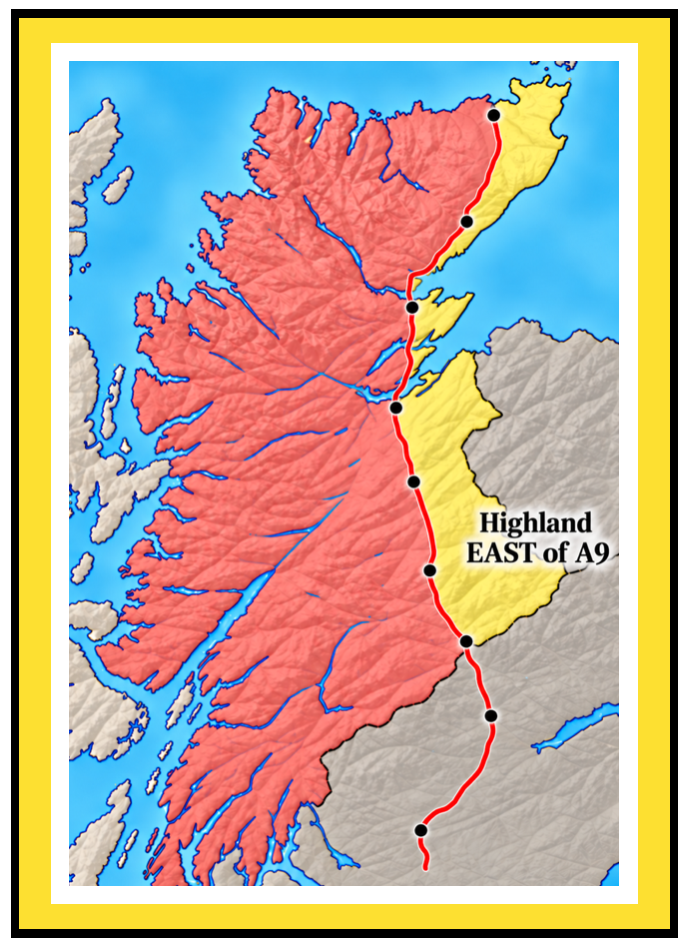
Highlands Region East of A9 Road
The Northern Areas within Scotland.includes the Highlands Region
Below are links to Whisky Founders that have made huge contributions to the growth of the Eastern Highlands Region as well as the Scotch Whisky Industry as a whole. These may have been historical figures that lived long ago before prohibition or may be living leaders that have advanced the cause of the industry as a whole.
1
James Allardice
Glendronach
When James Allardice arrived at GlenDronach, the place was pre-anchored in a working estate setting: a house, a burn, farmland, and the kind of steady resources a licensed distillery needed: water, grain, and access to people who could supply and finance a stillhouse. On those foundations, Allardice established his distillery.
2
Rachel Barrie
Glenglassaugh
In 2011, Rachel Barrie moved to Morrison Bowmore Distillers. There, she led whisky creation for Bowmore, Auchentoshan, Glen Garioch, Laphroaig and Ardmore. Her career by then was already unusual: a chemist by training who had become one of the most prominent creative and technical authorities in Scotch.
3
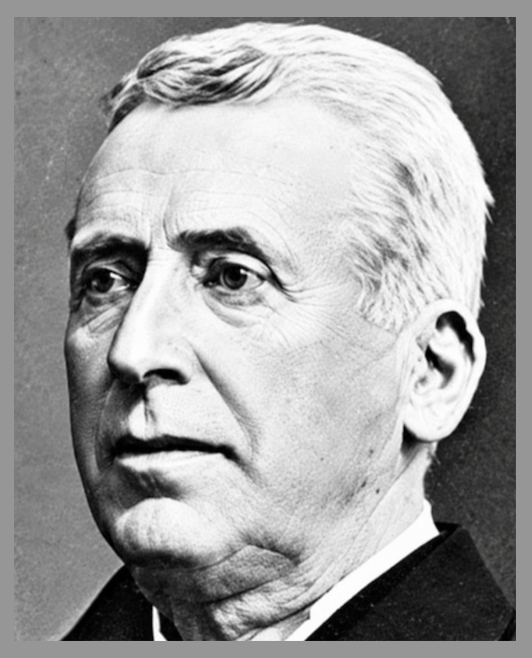
John Begg
Royal Lochnagar
In 1845, John Begg established a distillery south of the River Dee, near the Lochnagar Munro. The distillery was known as New Lochnagar, distinguishing it from the earlier establishments across the river. Its location placed the operation near Balmoral, an estate that was soon to be associated with the Royal couple.
4
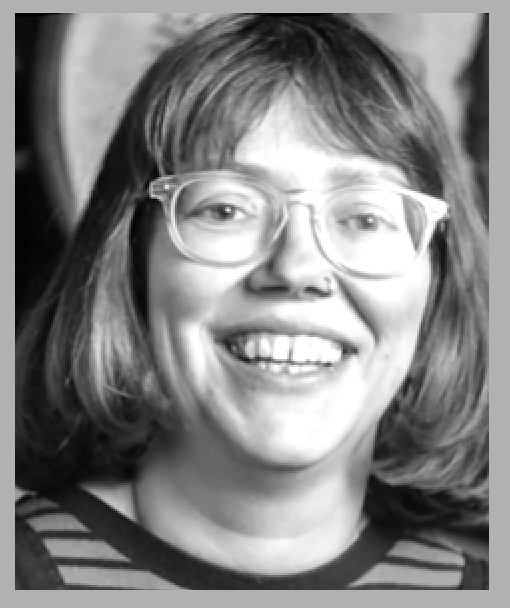
Kirsty Black
Arbikie
Kirsty Black's scientific interests extended into agricultural sustainability. While managing the distillery, she undertook doctoral research through Abertay University and the James Hutton Institute, investigating the use of legumes in alcohol production. Her research contributed to the development of Nàdar, a range of spirits distilled from peas.
5
Stewart Bowman
Brora
Stewart Bowman began at Brora and stepped into a project that demanded equal parts historian and engineer tasked with rebuilding a distillery. It needed to be modern and operationally efficient, while preserving the texture of an older spirit style which collectors already treated as legendary.
6

Kerry Campbell
8 Doors
Kerry Campbell directed her attention toward international markets. In April 2025, she participated in a Scottish trade delegation to Osaka, Japan that contributed to additional export orders. With assistance from Scottish Enterprise and Highlands and Islands Enterprise, 8 Doors expanded to Japan, Germany, and Singapore.
7
Shane Fraser
Wolfburn
8
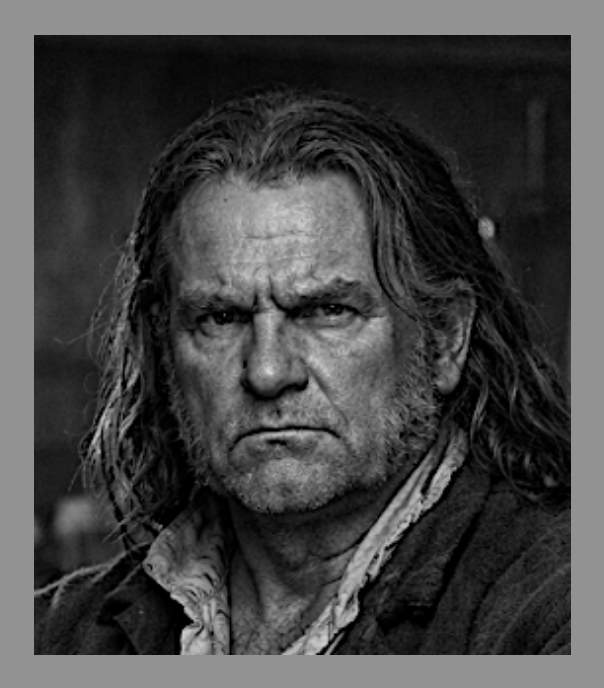
William Fraser
Royal Brackla
William Fraser was planning a new future, and concerned that local farmers were selling grain into illicit distilling networks where smugglers could undercut anyone paying duty, he joined four other men in leasing a distillery site and adjacent farmland from the Earl of Cawdor. The result was Brackla.
9
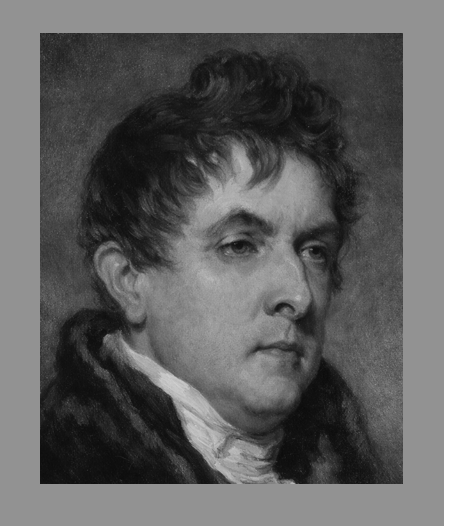
George Leveson Gower
Clinelish
In 1819, G.L. Gower built the original Clynelish distillery. The distillery was meant to provide a market for barley grown by his tenants. Clynelish was a legal, organized outlet for agricultural production in a region where land, tenancy, and local livelihoods were under intense pressure and scrutiny.
10
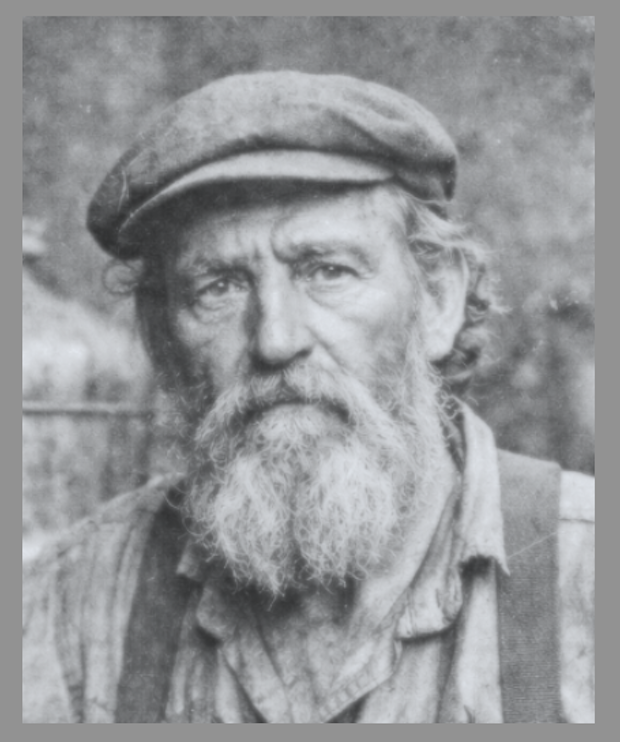
James Henderson
Old Pulteney
James Henderson founded Pulteney Distillery in Pulteneytown. At the beginning, conventional roads were lacking, so barley came by sea and whisky went out by sea, often handled by offseason workers who also fished for herring when they could. The port could support distribution when roads could not.
11
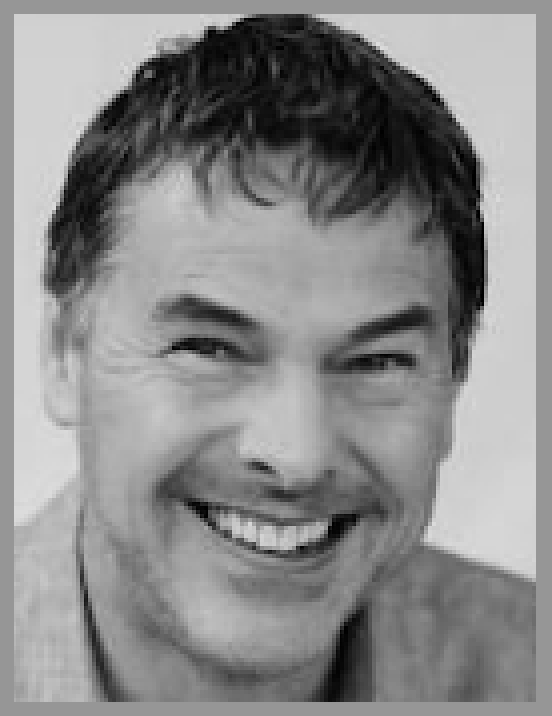
Bill Lumsden
Glenmorangie
In 1995, Dr. Bill Lumsden joined the Glenmorangie Company, beginning an association that would define his professional career. He initially served as distillery manager before assuming broader responsibilities for whisky creation and distilling. Glenmorangie was already distinguished by its refined, light spirit.
12
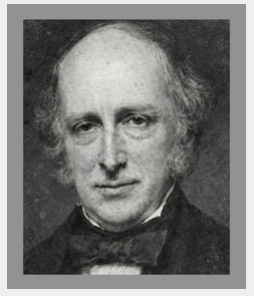
Alexander Matheson
Dalmore
In 1839, Alexander Matheson returned from Asia and, in that same year, created a whisky-making footprint that still defines a corner of the Highlands. The site at Dalmore, on the banks of the Cromarty Firth near Alness, had previously been a mill and farmyard, and Matheson converted it into a distillery.
13
Hugh Munro
Teaninich Distillery
Hugh Munro He worked to improve the conditions of his tenants. One persistent problem in the Highlands at the time was illicit distilling, which undercut legal agriculture and left barley growers without reliable markets. Munro’s response was decisive. In 1817, he founded the Teaninich Distillery on his estate.
14
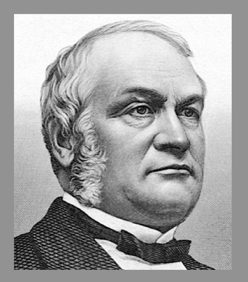
Sir Alexander Ramsay
Fettercairn
Alexander Ramsay secured a license and established Fettercairn Distillery on his land. The decision aligned closely with broader Highland patterns: landowners founding small, licensed distilleries intended to operate alongside farming rather than replace it. Fettercairn, then, was created as a method of estate management.
15
Wilson Strachan
Balmaud
16
Andrew Symington
Edradour
THIS FOUNDERS HISTORY WILL BE PUBLISHED SOON
17
Frank Thomson
Invergordon
THIS FOUNDERS HISTORY WILL BE PUBLISHED SOON
18