
(NOTE: FOUNDERS ARE LISTED IN ALPHABETICAL ORDER)
Johnnie Walker Founders
This page is dedicated to the dominant people in Johnnie Walker Blended Scotch’s History
Below are links to Whisky Founders that have made huge contributions to the growth of the Johnnie Walker brand as well as the Scotch Whisky Industry as a whole. These may have been historical figures that lived long ago before prohibition or may be living leaders that have advanced the cause of the industry as a whole.
1

Jim Beveridge
Jim Beveridge served as Johnnie Walker’s Master Blender for about 20 years, within a total career at Diageo that stretched beyond four decades. He lead a specialist team responsible not only for Johnnie Walker, but for maintaining the quality and consistency across Diageo’s whole Scotch portfolio.
2
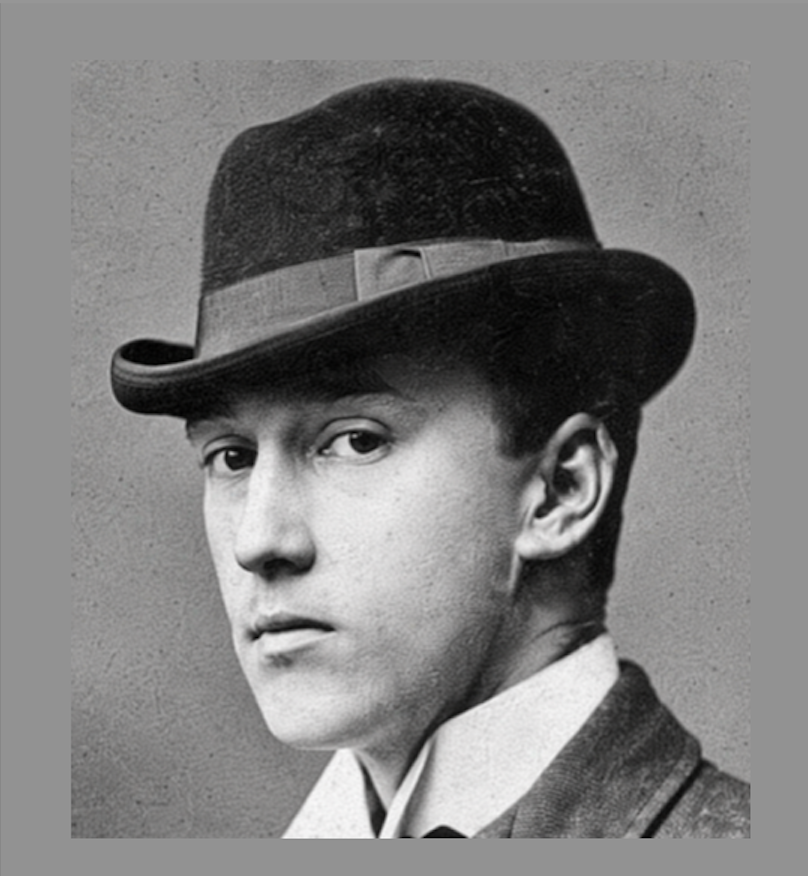
Tom Browne
In 1908, Tom Browne was first commissioned to create a visual identity for the Walker family’s burgeoning whisky business, which was expanding its international reach under the direction of its London-based advertising partners. Browne’s first-draft result was the figure now known as the “Striding Man.”
3
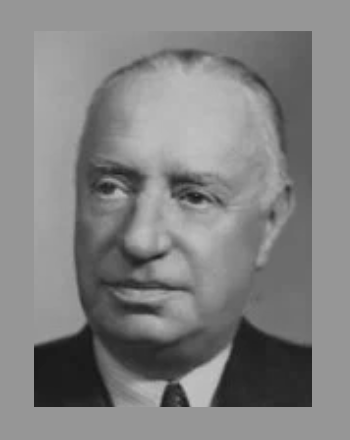
Sir Henry Ross
By the time Henry Ross assumed the chairmanship of DCL, the Scotch whisky industry was emerging from wartime restriction, austerity rationing, and disrupted global trade. DCL itself had become one of the most important consolidating forces in the U.K.
4
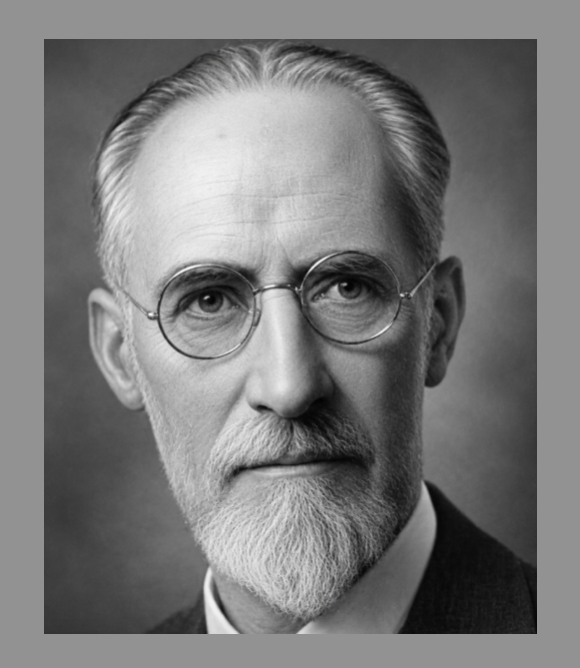
William H. Ross
William H. Ross continued his education through evening classes in bookkeeping. His diligence, reliability, and attention to detail earned him steady promotion through the company's ranks. Over just a few short years he advanced from accountant ultimately to managing director of Distillers Company Limited.
5
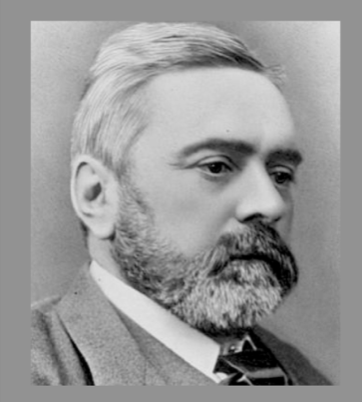
Alexander Walker
Alec Walker pushed the family’s whisky trade outward, and treated shipping not as a barrier but as a sales channel. One of his smartest decisions was packaging, because the container often decides whether the contents survive. In 1860, he introduced the square-sided bottle for Walker’s whisky.
6
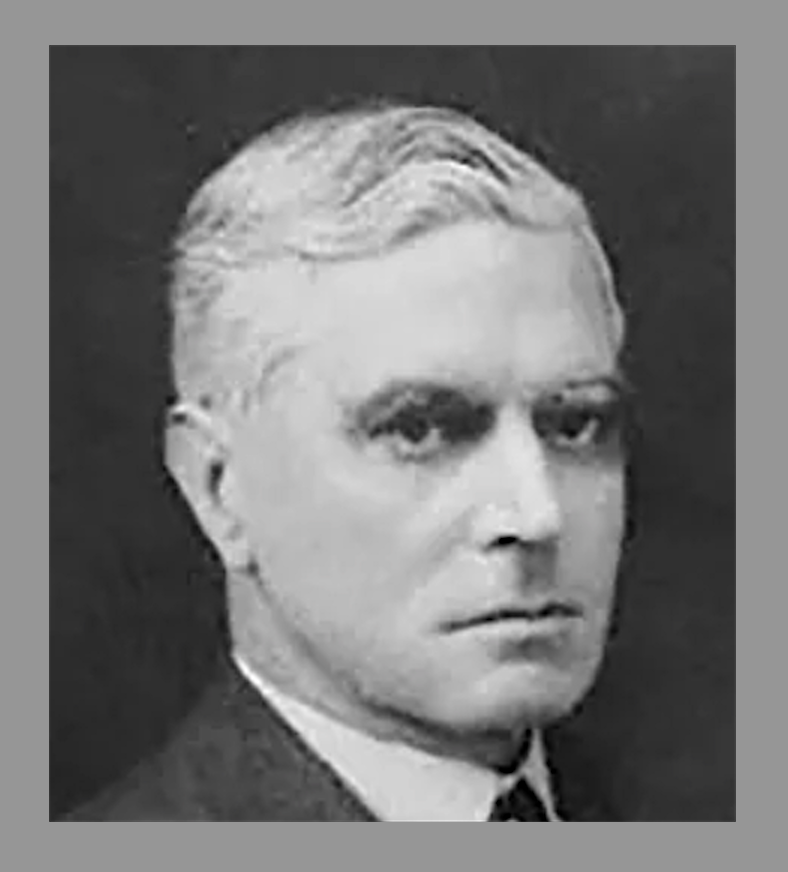
Alexander Walker II
Alexander II was groomed from an early age for a role within John Walker & Sons, but he did not attend a traditional college. Instead of university, he was educated at the Ayr Academy and subsequently underwent legal training and a trade apprenticeship with a Glasgow wine and spirit merchant.
7

Emma Walker
Dr. Emma Walker oversees a maturing inventory of more than 11 million casks and leads a 12-person team, numbers that illustrate why the role is as much planning as it is tasting. Her working method is explicitly hybrid: decisions begin on paper with detailed maps of distilleries, styles, and cask types.
8
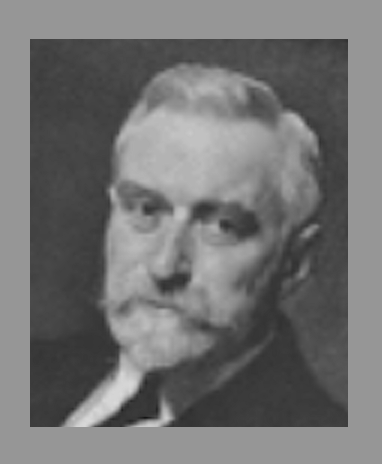
George P. Walker
In 1889, when George Paterson Walker was approximately twenty-four years old, necessity dictated that he take charge of the firm's London office after his father died unexpectedly at only fifty-one years of age. This position placed him at the center of distribution, sales, and marketing activities at the family enterprise.
9
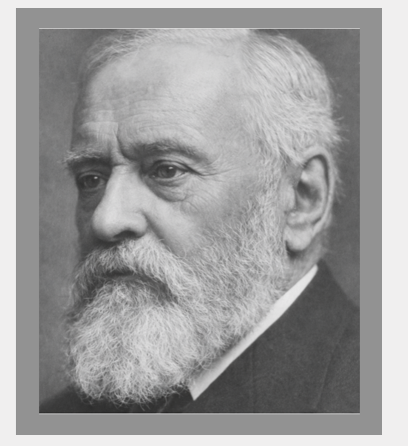
John Walker
John Walker’s shop sold what a respectable customer might want at the table: groceries, specialty items, and drink, including whisky. Spirits, however, were not yet the neat, standardized product a modern drinker expects. Bottling at the source was not the norm, and quality could vary immensely from batch to batch
10
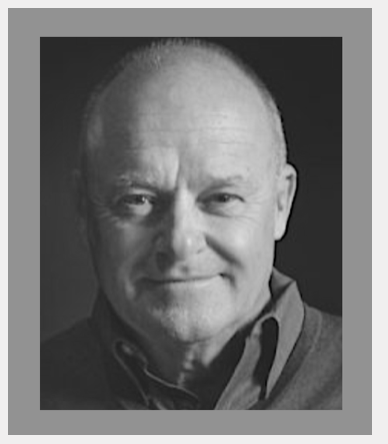
Paul Walsh
Paul Walsh reshaped the trajectory of Johnnie Walker Scotch by imposing a disciplined strategy of premiumization that redefined how that blended spirit was presented to the world. Rather than pursuing growth through volume alone, he emphasized value, tiering the structure of Red, Black, Green, Gold, and Blue Labels.