
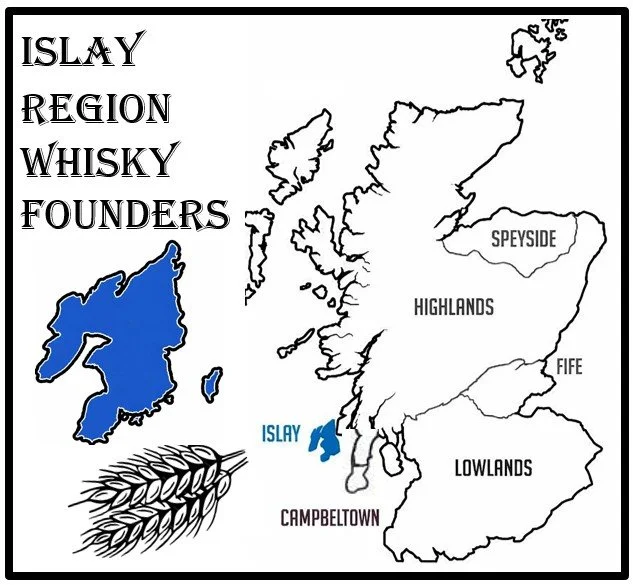
(NOTE: FOUNDERS ARE LISTED IN ALPHABETICAL ORDER)
Scotch Whisky Founders
Islay Region
The Islay Region is wholly included in the Argyll and Bute Council.
Below are links to Whisky Founders that have made huge contributions to the growth of the Islay Region as well as the Scotch Whisky Industry in general. These may have been historical figures that lived long ago before prohibition or may be living leaders that have advanced the cause of the industry as a whole.
1
William Harvey
Bruichladdich
William Harvey did not start out as a “distillery man.” He began his working life as a clerk in Glasgow’s sugar trade, and over time became a successful broker, an early clue as to why he would later become the venture’s key financial driver most suited to carry the burdens of capital, debt, and shareholder politics.
2
Colin Hay
Ardbeg
Colin Hay set about increasing capacity and improving logistics in concrete, trackable ways: he installed larger stills, erected new warehouses, and built a deep-water quay so that coal, barley, and supplies could be landed directly at the distillery and whisky shipped more cheaply to the mainland.
3
Hector Henderson
Caol Ila
In the 1840s, Hector Henderson began looking beyond the mainland. On Islay’s northeast side, he found a small cove facing the Sound of Islay, the strait that separates Islay from Jura. The place had practical virtues that mattered more than comfort: namely, a dependable water supply from the nearby loch.
4
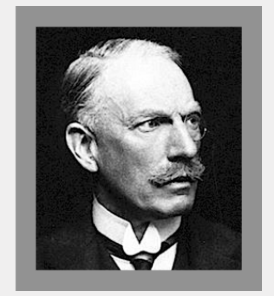
Peter Mackie
Lagavulin
Peter Mackie progressed from apprenticeship into ownership-level responsibility, and in that same period, the business part of the Scotch world was changing quickly. Blended Scotch was becoming not merely a way to use diverse stocks, but an individual product category with global reach
5
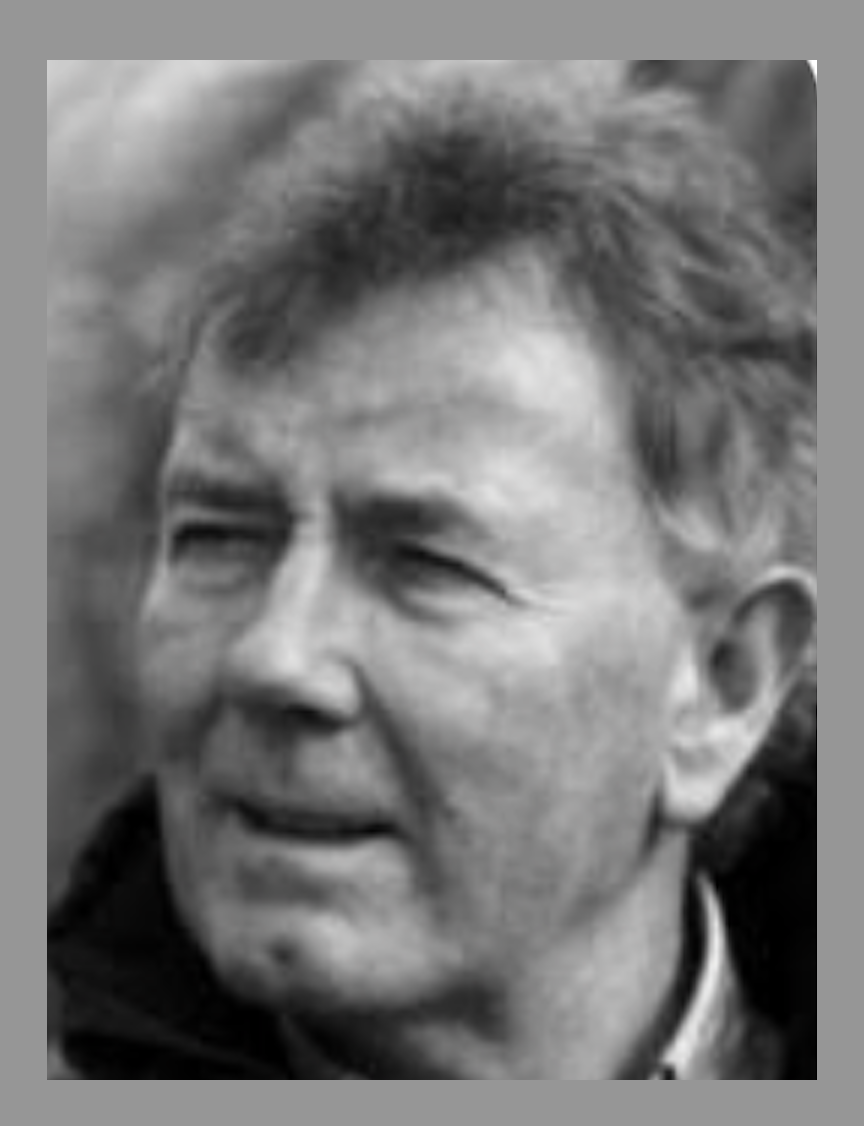
Jim McEwan
Ardnahoe
Jim McEwan worked in warehouses, became cellar master, trained as a blender, and eventually moved into management. By 1976 he was undertaking formal blending responsibilities within the Morrison-Bowmore organization, gaining valuable experience in whisky assessment and recipe development.
6
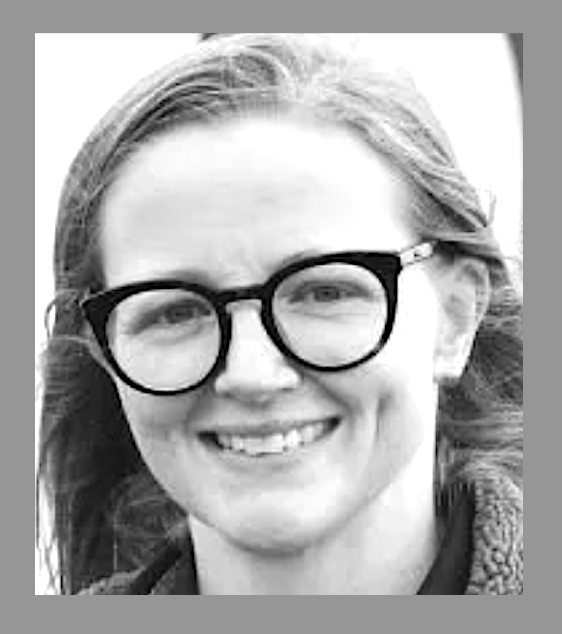
Bryony McNiven
Ardbeg
Bryony McNiven’s connection to Ardbeg began at an early age. While still a student, she took a summer position at the distillery, gaining firsthand experience of its operations. For many people, such seasonal work is temporary; for McNiven it became the foundation of a lifelong career.
7
Stanley P. Morrison
Bowmore
In 1963, while at Glasgow’s Grand Central Hotel, Stanley Morrison overheard that the historic Bowmore Distillery on Islay was available for purchase. Acting immediately, he acquired it the same day. His acquisition of Bowmore marked his company’s decisive and historic transition from brokers to distillers
8
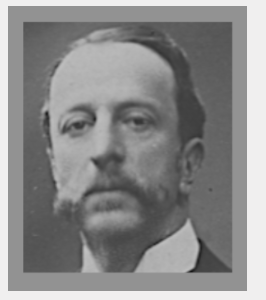
William Mutter
Bowmore
In 1837 William Mutter and his brother acquired the Bowmore distillery on Islay. Founded in 1779, Bowmore was already one of Scotland’s oldest distilleries, but it was relatively small in scale at the time of their acquisition. Under the Mutters’ ownership, the distillery entered a defining period of expansion.
9
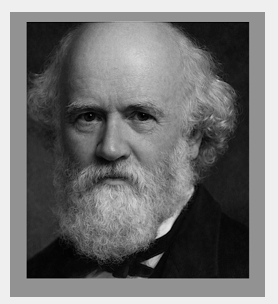
John Ramsey
Port Ellen
John Ramsay modernized farming on Islay, drained bogland, and introduced new farm practices, becoming a known agricultural voice. This wasn’t a hobby. On Islay, distilling and farming were entangled irrevocably. Still, when the potato famine of 1846 struck, the island’s economy strained.
10
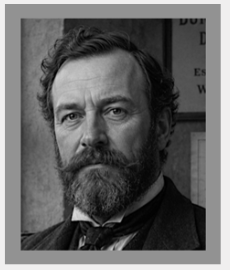
William Robertson
Bunnahabhain
William Robertson remained committed to the provision of quality wine products, but after the aphid disaster, he seriously considered the possibility of setting up his own distillery on the isle of Islay; In 1878, he finally decided to move forward with that project in partnership with the Greenlees brothers.
11
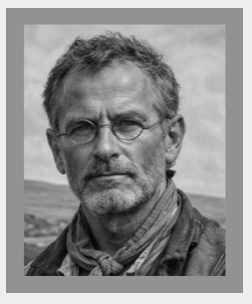
John Simson
Bowmore
John Simson was a merchant and trader, a role that placed him within Islay’s emerging commercial class rather than among its tenant farmers. Merchants on Islay in this period often dealt simultaneously in grain, spirits, general provisions, and coastal shipping, and Simson operated comfortably in that world.
12
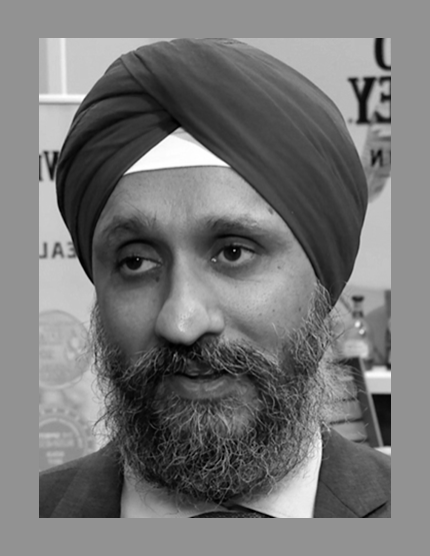
Sukhinder Singh
Portintruan
Sukhinder Singh’s new Islay distillery would include floor maltings, multiple still houses, an education center, a visitor experience, housing for employees, and community-focused initiatives. Plans were finalized, and in May 2022, the project finally received its name: Portintruan Distillery.
14
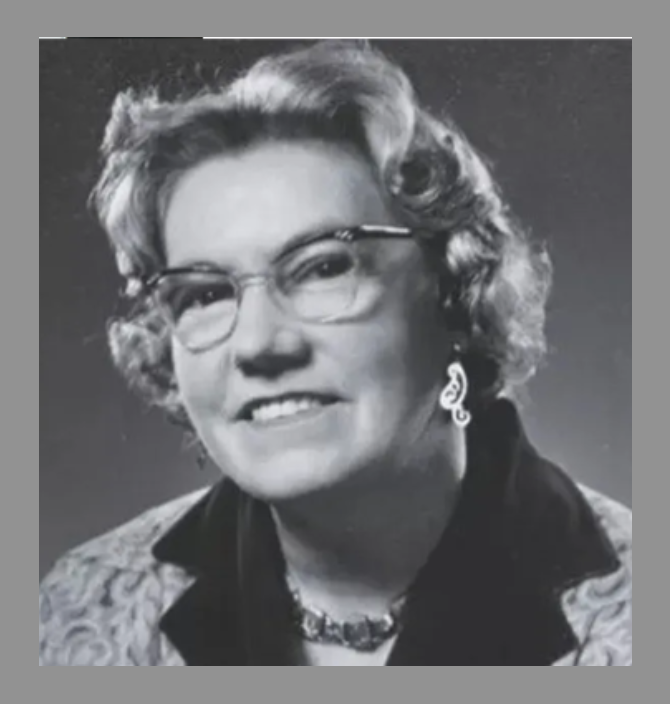
Bessie Williamson
Laphroaig
Bessie Williamson moved quickly beyond clerical duties into the practical business of keeping a distillery running. She became the person who knew where every thread led: stocks, shipments, staff, and the thousand small decisions that kept production from wobbling—and problems off Hunter’s desk.
15

Anthony Wills
Kilchoman
To get Kilchoman started, Anthony Wills risked essentially everything—“all my money”—to bring the project to life. Banks were uninterested. Raising funds took years and depended on small private investors willing to accept long odds. These details explain Kilchoman more clearly than any branding language.
13

David Turner
Bowmore
David Turner rose to the position of Distillery Manager, becoming responsible not only for production but also for safeguarding Bowmore’s reputation. His appointment represented the culmination of decades spent learning the craft from the warehouse floor upward to distilling and maturation strategies.