
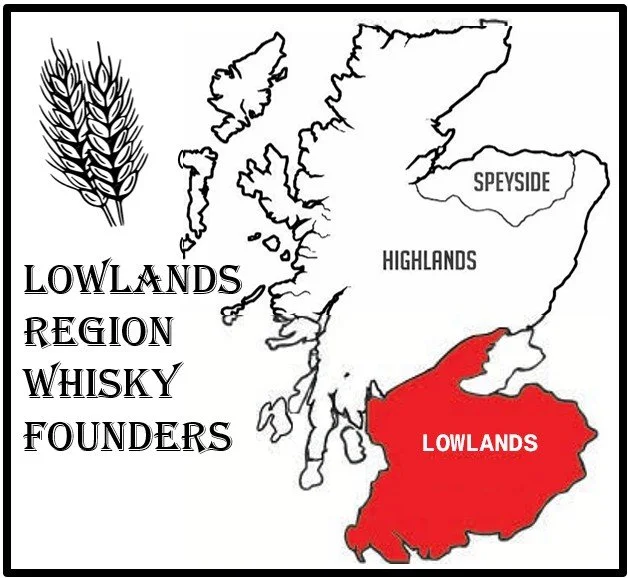
(NOTE: FOUNDERS ARE LISTED IN ALPHABETICAL ORDER)
Scotch Whisky Founders
Lowlands Region
The Lowlands Region includes 23 of Scotland’s 32 Councils including the two largest Metropolitan Areas of Glasgow and Edinburgh.
Below are links to Whisky Founders that have made huge contributions to the growth of the Lowlands Region as well as the Scotch Whisky Industry in general. These may have been historical figures that lived long ago before prohibition or may be living leaders that have advanced the cause of the industry as a whole.
1
Raymond Armstrong
Bladnoch
Raymond Armstrong’s “distillery rescue” narrative followed when spirit again flowed in December 2000; the first 8-Year-Old Single Malt became available in 2009. From there, the distillery was defined by careful, limited production and by the patience required for single malt to mature
2
John Campbell
Lochlea
In 2013, John Campbell represented the Scotch Whisky Association during its centenary celebrations. As part of the project, he helped produce whisky at George Washington's Distillery in America. Only thirty bottles of the resulting spirit were produced, and the first pair reportedly sold for $30,000.
3
John Crabbie
North British Distillery
John Crabbie exported his products widely across the world, with shipments reaching Buenos Aires, New York, Constantinople, and St. Vincent. The growth mirrored the rise of the British Empire, and Crabbie helped transform Scotch whisky into an international commercial commodity.
4
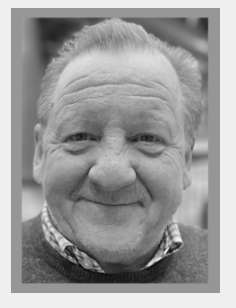
John Fordyce
Borders Distillery
Before helping to establish the Borders Distillery, John Fordyce spent much of his career in finance and investment. He worked in merchant banking and later became involved in private equity and corporate finance ventures. Those experiences would prove critical when the plans for distillery solidified
5
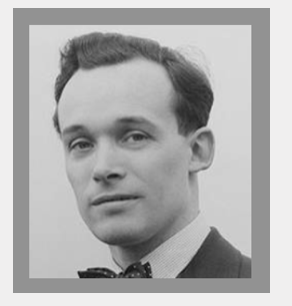
Charles Grant Gordon
Ladyburn
Charles Grant Gordon oversaw the construction of the Girvan complex, a feat the company would later describe as being completed in only nine months, with hundreds of local workers involved. It was said that Gordon supervised the build, famously riding his bicycle around the grounds during construction.
6
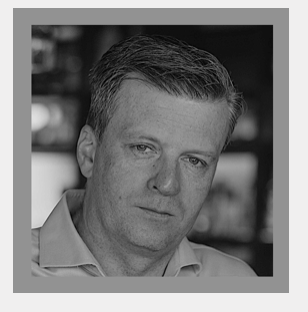
Brian Kinsman
Ailsa Bay
In 2001, Brian Kinsman had the opportunity to become an apprentice to David Stewart, one of the most revered figures in modern Scotch. Over roughly eight years of apprenticeship, Kinsman learned sensory judgement from Stewart, absorbing decades of knowledge about cask influence, consistency, and house style
7
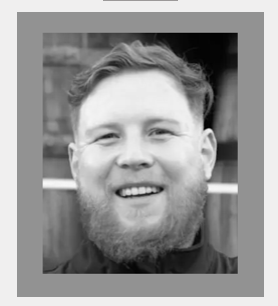
Jamie Lockhart
Bonnington Distillery
Jamie Lockhart joined the Bonnington team as a distillery operative while the project was still in development. Entering at such an early stage meant that he became involved in the distillery before regular production even began. Bonnington was a new distillery attempting to define its identity from the ground up.
8
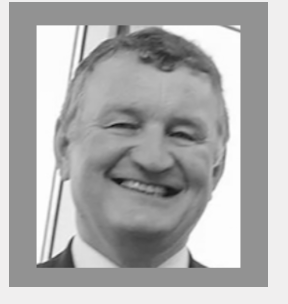
Martin McAdam
Ardgowan Distillery
At Ardgowan, Martin McAdam developed the Infinity Cask project alongside the late whisky expert Dr. Jim Swan. The project was built around the idea of continuousmaturation and fractional blending, by maintaining living casks that would periodically be replenished with older stocks
9
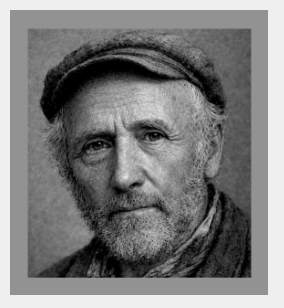
Thomas McClelland
Bladnoch Distillery
Thomas McClelland was among the first to adopt legal distillation at an early stage, and the distillery he established was aptly named Bladnoch after the river upon which it was situated. It was a location of pure, clean water that also provided logistical advantages, easing raw materials in and whisky out.
10
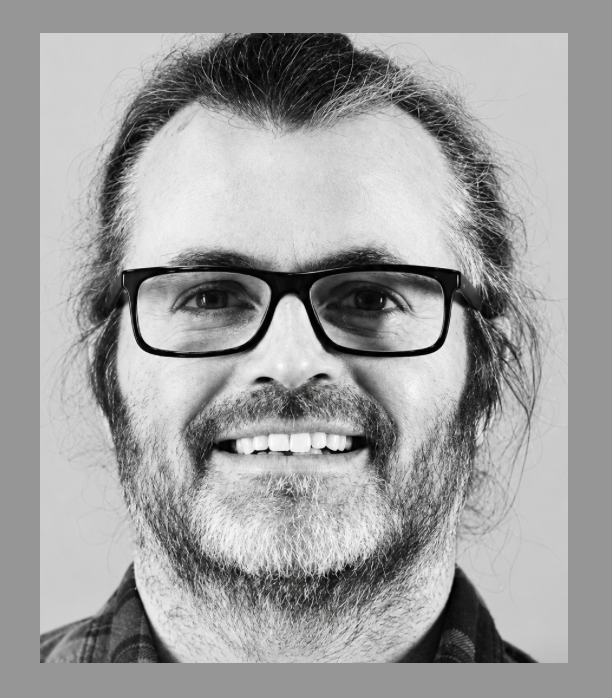
Neal McGeoch
Lochlea Distilery
When Neal McGeoch took over the property, Lochlea operated primarily as a working farm. He initially focused on raising pedigree beef cattle. For several years cattle farming remained the farm’s economic foundation, yet the realities of modern agriculture soon forced difficult questions.
11
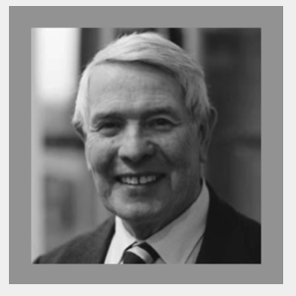
Tim Morrison
Auchentoshan
Tim Morrison’s company acquired Auchentoshan in 1984 for £325,000. This was a logical extension of the Bowmore-era philosophy. Auchentoshan offered a Lowland single malt, geographically close to Glasgow and the company’s historic base, yet stylistically distinct from Bowmore’s Islay character.
12
Richard Patterson
Whyte & MacKay
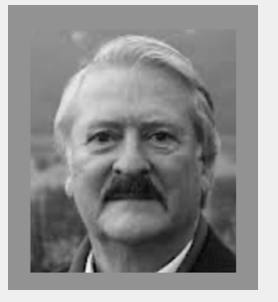
In 1970, Richard Paterson joined Whyte & Mackay, one of Scotland’s major whisky companies. He quickly rose to the position of Master Blender, an unusually rapid ascent that reflected both his technical ability and his instinctiveunderstanding of flavor and aroma. As Master Blender, he was responsible for a broad portfolio.
13
James Rankine
Rosebank
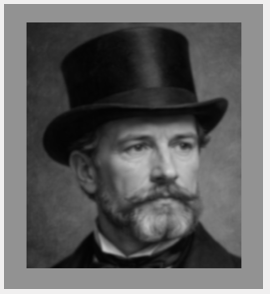
James Rankine lived and worked in the Falkirk district of Stirlingshire, a region transformed by industry well before the Victorian whisky boom. The opening of the Forth and Clyde Canal in 1790 created one of the most important commercial arteries in the country, linking the North Sea to the Atlantic.
14
Babs Robertson
Edrington Group
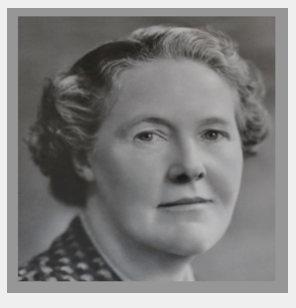
Babs Robertson was always close to her two older sisters, Agnes and Elspeth. The three sisters also had an older brother who was expected to inherit the family whisky interests. The Robertson household combined wealth with business savvy. Their father, James, was known throughout the whisky trade as deeply loyal to his employees
15
Peter Russell
Ian MacLeod Distillers
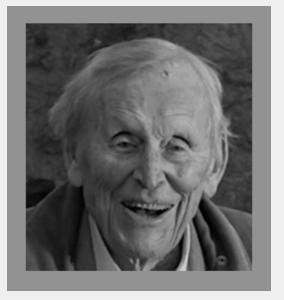
n 1984, Peter Russell entered a major partnership with George Grant of Glenfarclas to buy the Broxburn Bottling Plant from Saccone & Speed. Owning bottling infrastructure meant greater control, and it also signaled that Russell was building a durable firm rather than simply trading whisky.
16
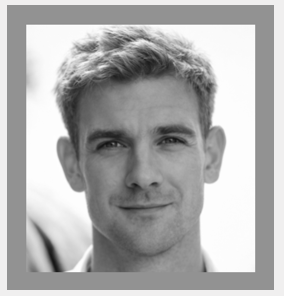
Nick Savage
Bladnoch Distillery
Dr. Nick Savage accepted the position of Master Distiller at Bladnoch on 1 July 2019, succeeding veteran distiller Ian MacMillan. At Bladnoch, Savage assumed responsibility for all aspects of whisky production. His approach balances respect for traditional Lowland character with a determination to expand beyond it.
17
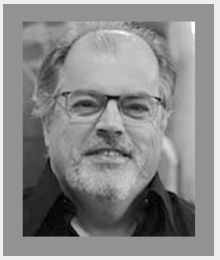
David Thompson
Annandale
David Thompson did not approach Annandale by letting equipment and tradition dictate the output and then discovering the spirit’s character afterward. He used the logic of his day job: decide what the end product should be, define its sensory position in a crowded market, then build the process to deliver it.
18
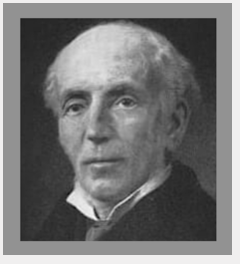
Andrew Usher, Jr.
North British Distillers
In 1885, Andrew Usher, Jr., became one of the founders of the North British Distillery Company in Edinburgh, along with partners William Sanderson and John M. Crabbie. The goal of the partnership was to explicitly strengthen blender-controlled access to grain whisky, which was the backbone of most blends.