
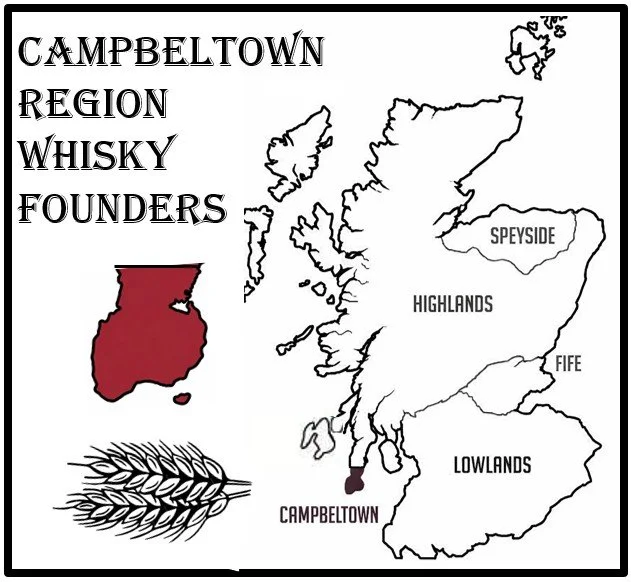
(NOTE: FOUNDERS ARE LISTED IN ALPHABETICAL ORDER)
Scotch Whisky Founders
Campbeltown Region
The Campbeltown Region is wholly included in the Argyll and Bute Council.
Below are links to Whisky Founders that have made huge contributions to the growth of the Islay & Campbeltown Regions as well as the Scotch Whisky Industry in general. These may have been historical figures that lived long ago before prohibition or may be living leaders that have advanced the cause of the industry as a whole.
1
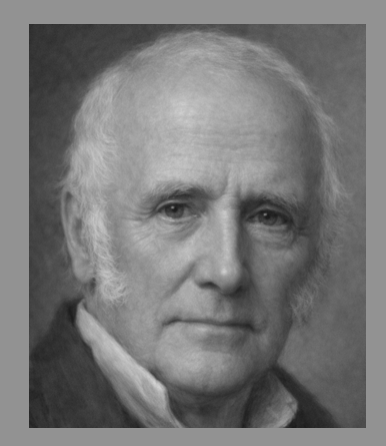
Charles Colville
Dalaruan Distillery
Charles Colvill decided to leave behind the uncertain life of an itinerant cartwright and turn toward the emerging world of legal distilling. In 1824, Colvill founded Dalaruan Distillery in Campbeltown. It quickly became part of the great surge in whisky production that reshaped the region.
2
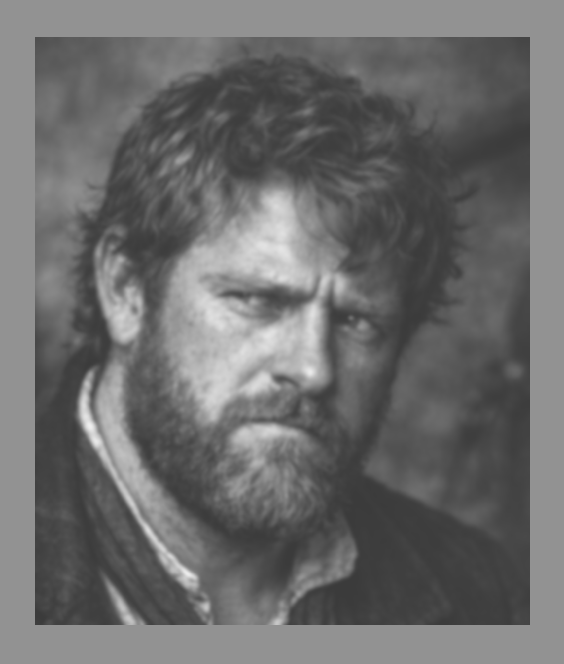
John Galbraith
Glen Scotia
John Galbraith obtained his license to legally distill in 1835, and with that, the distillery became part of the formal industrial wave that made Campbeltown briefly famous for whisky at scale. By 1835, 29 distilleries were thriving in Campbeltown, but soon it became clear that the boom wouldn’t last.
3
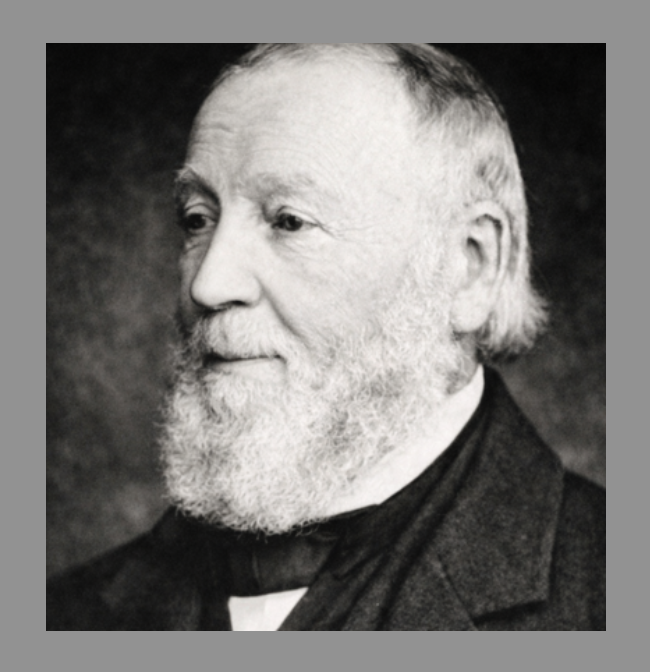
Daniel Greenlees
Hazelburn
Daniel Greenlees’ connection to the whisky boom became explicit almost immediately after his marriage to Mary Colvill, because by the mid-1820s, he was thrust inside the ownership-and-management story of two of Campbeltown’s most important distilleries of the time: Dalaruan and Hazelburn.
4
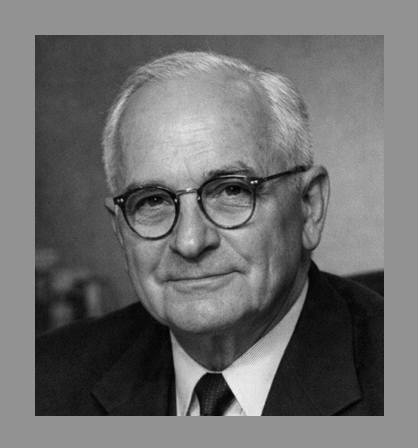
Ian Lockwood
Glen Scotia
In 1987, Ian Lockwood led a buyout of a portion of ADP’s business. This acquisition included the Glen Scotia Distillery, which had been mothballed or seen limited production in the immediate years prior. Lockwood operated the distillery under a new entity called Gibson International.
5
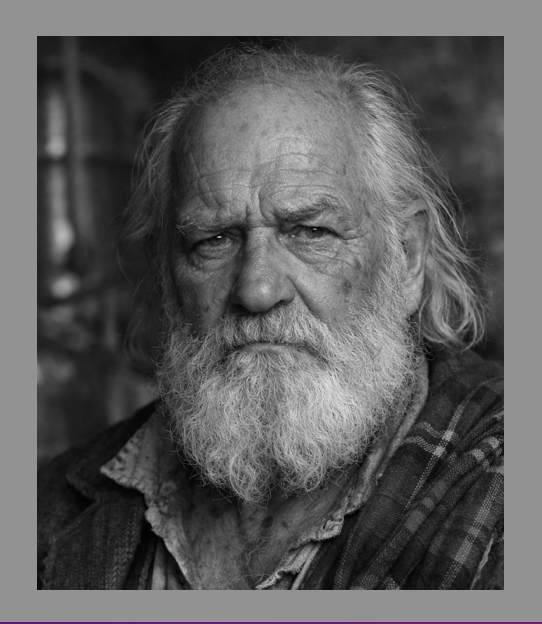
Duncan McCallum
Glen Scotia
Duncan McCallum enters the intriguing story of Campbeltown whisky not as a peat-burning legend, but as a well-liked but hard-driving industrialist/distiller whose sentimental choices were large enough and strange enough to be remembered despite, or perhaps because of, his unexplained demise.
6
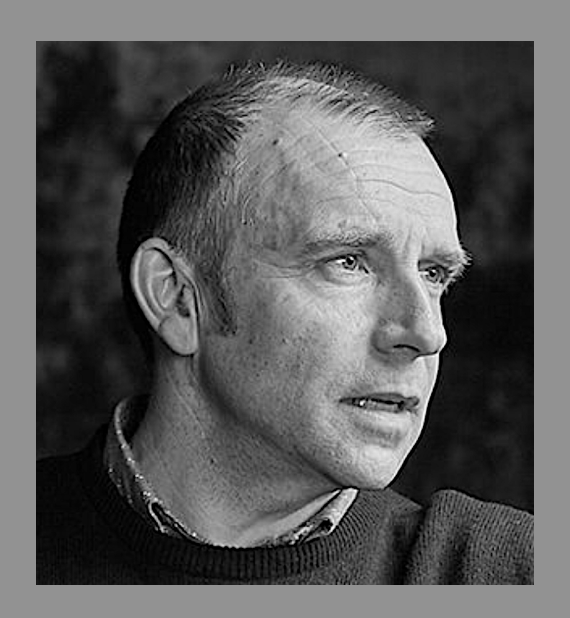
Iain McAlister
Glen Scotia
Iain McAlister transformed Glen Scotia from a reclusive, bulk-sale producer into a renowned, award-winning brand. He overhauled the distillery, transitioning the site from a quiet operation into a bustling whisky experience. The result was "Best in Show" at the 2021 San Francisco World Spirits Competition.
7
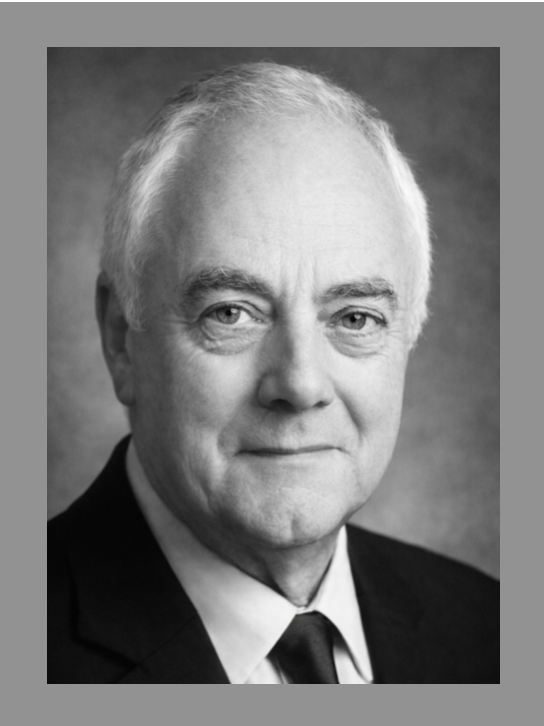
Frank McHardy
Springbank
In 1977, Frank McHardy joined Springbank Distillery in Campbeltown, beginning what would become the central relationship of his professional life. Springbank is famously thought of as “idiosyncratic” by modern industry standards because it produces multiple styles from the same site.
8
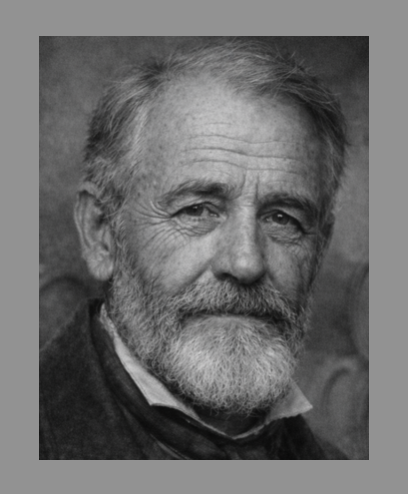
Archibald Mitchell
Kilkerran
Archibald Michell belonged to a generation that understood whisky not only as a craft, but as infrastructure, grain supply, malting, equipment, warehousing, relationships, and routes to market. He also entered adulthood just as whisky in Campbeltown was no longer just a local habit, it was a commercial language.
9
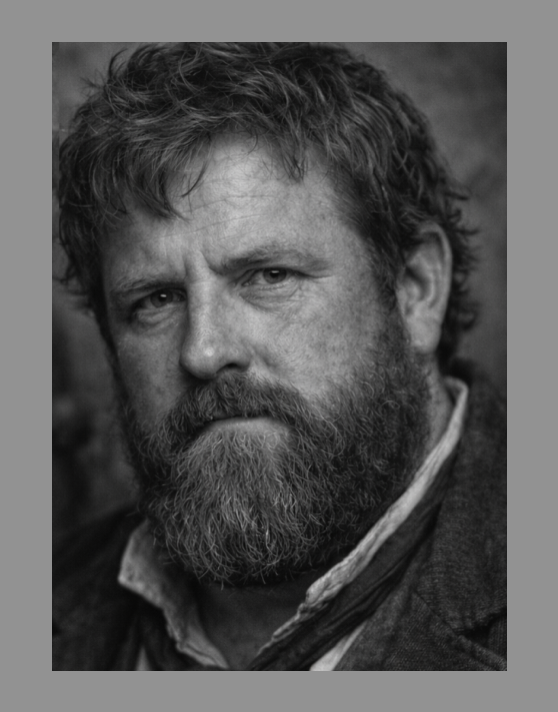
John Mitchell
Springbank
In 1872, John Mitchell’s partnership with his brother was dissolved following a dispute. John purchased William’s interest in Springbank, and William used the proceeds to establish his own distillery. From that moment forward, Springbank’s continuity became directly tied to John Mitchell alone.
10
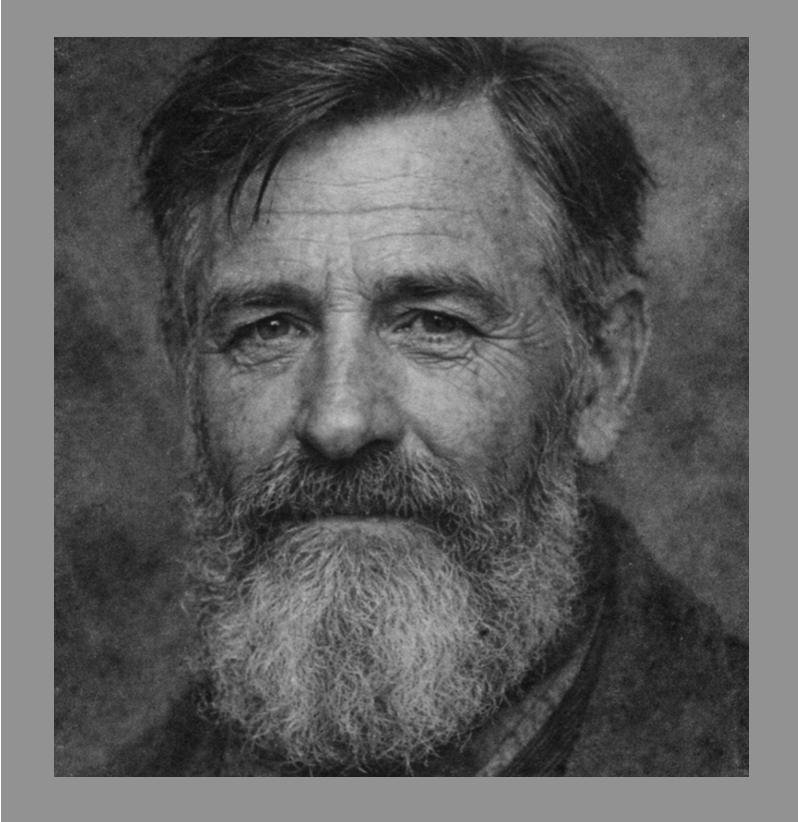
William Mitchell
Kilkerran
For William Mitchell, who was born in 1819, whisky was never a single occupation but a family web of farming, distilling, blending, and brokerage. All overlapped as siblings, in-laws, and successive generations moved fluidly among them. For William, whisky was less a decision than an inheritance.
11
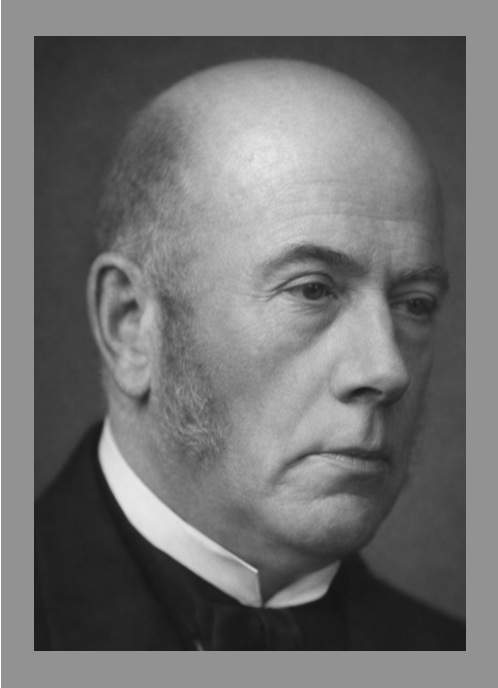
James Stewart
Glen Scotia
In 1919, James Stewart retired perhaps already sensing the future problems for a small independent producer. Glen Scotia was sold to West Highland Malt Distillers, whose plan was to bring together six Campbeltown distilleries. The plan failed, and by 1924 West Highland Malt Distillers collapsed.
12
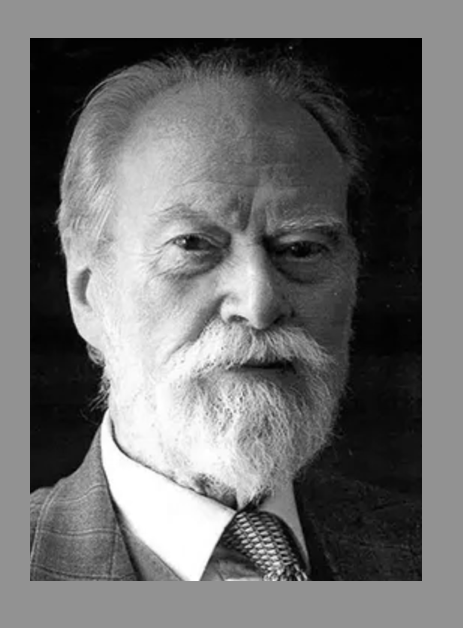
Hedley Wright
Springbank
Hedley Wright’s first public involvement with Springbank appeared in 1963, the same year he assumed the chairmanship. That year, he authored an article in The Wine and Spirit Trade Record discussing Springbank’s production practices which described changes at the distillery and reflected on modernization.