
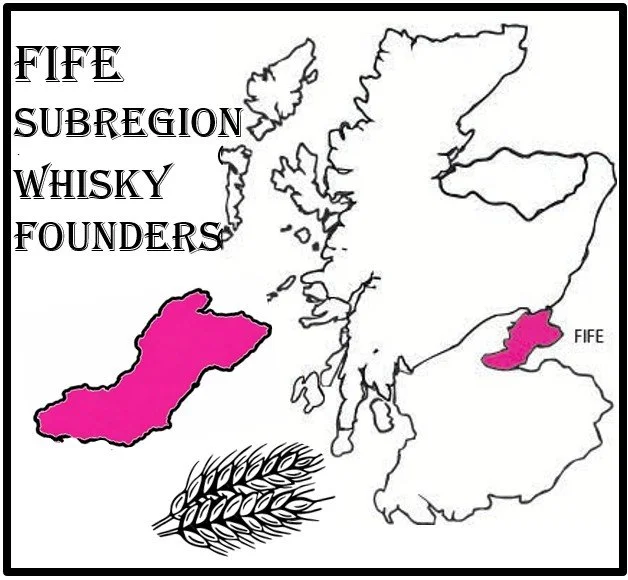
(NOTE: FOUNDERS ARE LISTED IN ALPHABETICAL ORDER)
Scotch Whisky Founders
Fife Subregion
The Fife Sub-Region is a wholly enclosed area within the Lowlands Region that includes the Council of Fife and surrounding cities including Falkirk, Perth & Sterling. This area is petitioning the Scotch Whisky Association to become a Region upon themselves
Below are links to Whisky Founders that have made huge contributions to the growth of the Fife Regions as well as the Scotch Whisky Industry in general. These may have been historical figures that lived long ago before prohibition or may be living leaders that have advanced the cause of the industry as a whole.
1
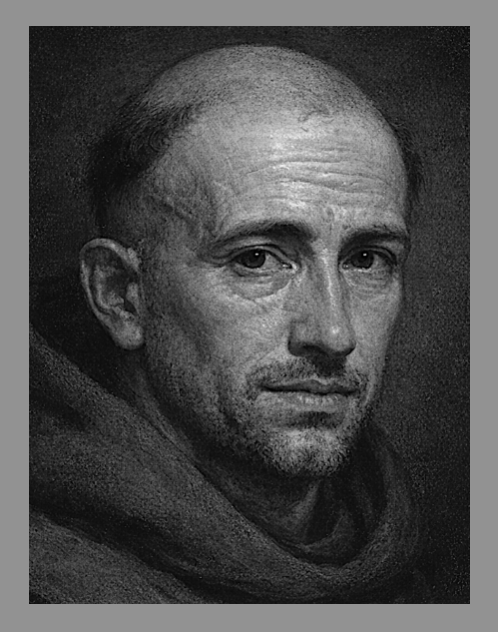
Friar John Cor
Lindores
Friar Jon Cor, a member of the Cistercian abbey at Lindores in Fife, is the earliest known person recorded in history by name to have made Scotch whisky, appearing in the Exchequer Rolls of Scotland in 1494. That royal record notes that he was issued eight bolls of malt “to make aqua vitae,” Latin for “water of life.”
2

Douglas Clement
Kingsbarns
Douglas Clement began to think about creating a distillery that could sit physically and symbolically alongside golf, marrying two of Scotland’s strongest international draws on the same stretch of coast. In May 2009, he formalized that ambition when he became a director of The Kingsbarns Company of distillers.
3

Francis Cuthbert
Daftmill
Francis Cuthbert had to learn the craft—quickly, and well enough that the farm would not be jeopardized by mistakes. The Daftmill identity that later fascinated whisky drinkers: small, controlled, and minimal, began here, not as a marketing posture, but as a practical choice. It is the opposite of mass marketing.
4
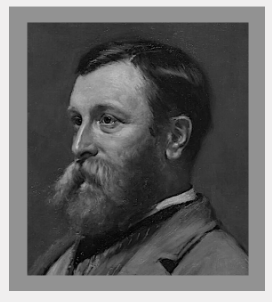
Hugh Veitch Haig
Cameronbridge
Hugh V. Haig’s family were not isolated country proprietors. They were woven into networks of trade, finance, and landholding. Hugh is linked in multiple references to Ramornie, an estate near Ladybank in Fife, suggesting a life lived partly in rural Scotland, and partly in the accelerating tempo of commerce.
5
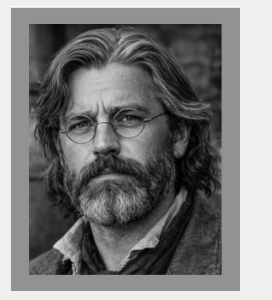
John Haig
Cameronbridge
In 1824, John Haig made the defining decision of his career. He acquired and adapted the old Cameron Mills site beside the River Leven and founded Cameronbridge Distillery, establishing John Haig & Co. Cameronbridge quickly became one of the most significant industrial distilleries in Scotland.
6
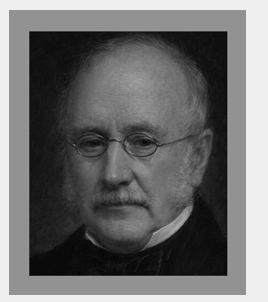
Alex Hutchison
Cameronbridge
Alex Hutchison served as Provost of Kirkcaldy from 1896 to 1902. The provostship placed him at the center of municipal decision-making during a period when Fife’s industries, linoleum, coal, milling, and whisky, were consolidating and modernizing into commercial structures that issued in the modern age.
7
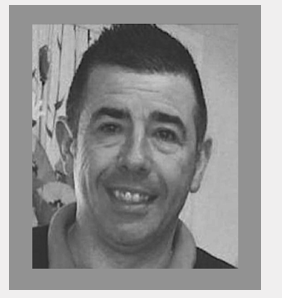
Cameron McCann
Stirling Distillery
In 2020, Cameron McCann launched an independent bottling brand called Sons of Scotland, which allowed him to market whisky while still building his own new make. In October 2023, Stirling Distillery ran its first whisky through the stills; it was the first Stirling-made whisky in more than 170 years.
8
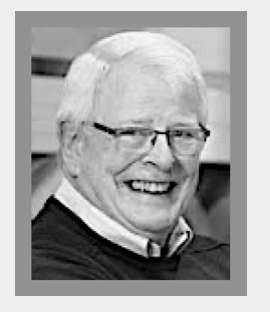
John McDougall
Knockhill
John C. McDougall reckons that his working involvement in whisky and spirits at almost seven decades. Even without counting them, he places himself in his sixtieth year in the Scotch and wider whisky trade, a career long and diverse enough to see almost all of the industry’s biggest machines from the inside.
9
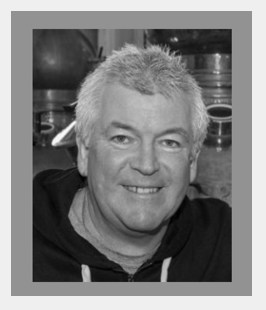
Paul Miller
Eden Mill
Paul Miller, along with his partner Tony Kelly, established the Eden Mill Brewery in 2012. Once the brewery was productive, Miller decided that the next step for Eden Mill was whisky. So, in 2014, three copper pot stills were installed and, that November, Eden Mill produced its first single malt.
10

Brian Morrison
Perth
First working under his brother’s tutelage, Brian Morrison eventually rose to become Managing Director. He served as the person responsible for keeping Bowmore’s production reputation and commercial direction aligned, during the decades when Islay malts became international reference points.
11
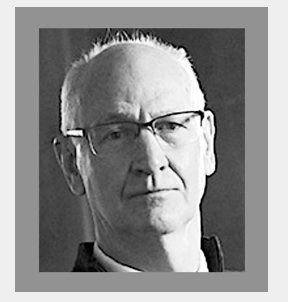
Ian Palmer
Inchdairnie
Ian Palmer has been unusually candid about the personal timing behind it. He married Linda, who later served briefly as a director of his new company, and together they raised two children. Only when both children were grown and had left home did he feel able to risk building a distillery.
12
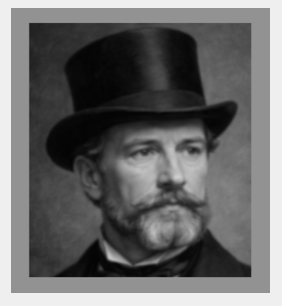
James Rankine
Falkirk
James Rankine lived and worked in the Falkirk district of Stirlingshire, a region transformed by industry well before the Victorian whisky boom. The opening of the Forth and Clyde Canal in 1790 created one of the most important commercial arteries in the country, linking the North Sea to the Atlantic
13
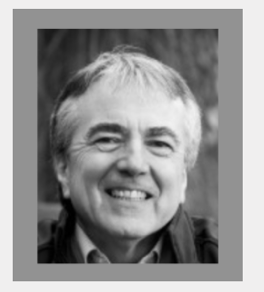
Tony Reeman-Clark
Strathearn
Tony Reeman-Clark launched Strathearn’s “The First Whisky Club,” explicitly contrasting itself with larger distilleries whose clubs required waiting 5 years or more for matured stock. His pitch was simple: Strathearn’s first Scotch would be ready sooner, and the club would provide members with access to it.
14
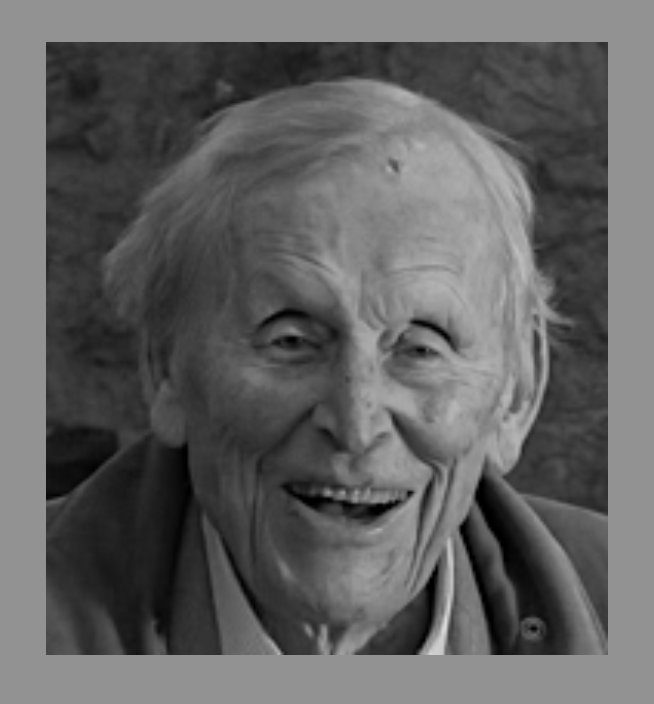
Peter Russell
Rosebank
In 1984, Peter Russell entered a major partnership with George Grant of Glenfarclas to buy the Broxburn Bottling Plant from Saccone & Speed. Owning bottling infrastructure meant greater control, and it also signaled that Russell was building a durable firm rather than simply trading whisky.
15
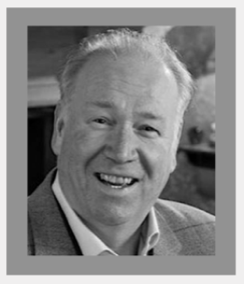
Drew McKenzie Smith
Lindores
Drew McKenzie Smith’s Lindores story is still unusually complete. It begins with a family farm and a ruined abbey treated as ordinary landscape; it passes through schooling that pulled him into Scotland’s social and cultural machinery, and ends with a distillery that, after five centuries dormant, again produces spirit
16
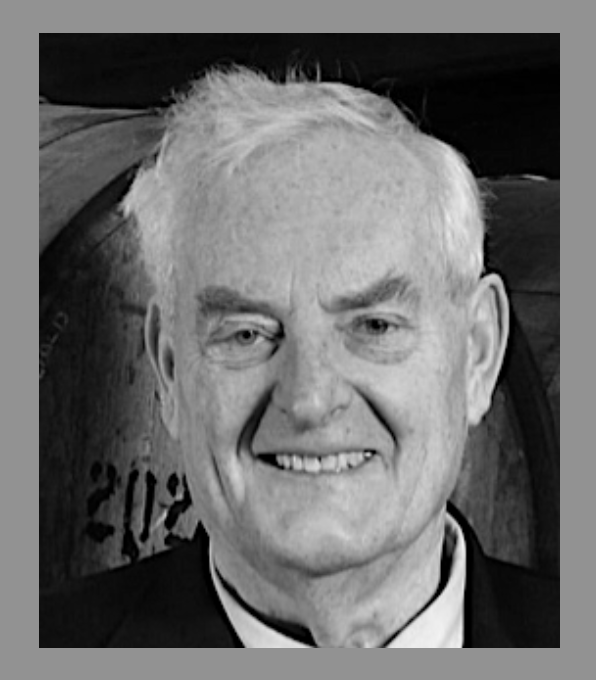
George Stewart
Falkirk
George Stewart personally designed Falkirk Distillery’s production hall, involved himself in control systems, wiring, and layout, and took particular pride in what he described as the “human machine interface” that allows the distillery to be operated efficiently by a small team of electronic wizards.
17
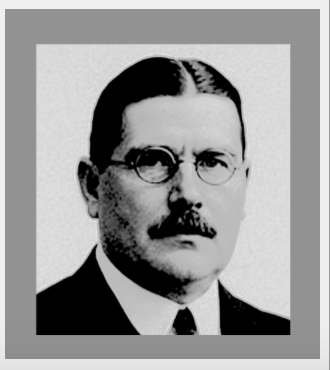
Forbes Thomson Wallace
DCL
Forbes Thomson Wallace knew which firms were thriving, which were struggling, who carried heavy debt, and whose reputation could be trusted. He assessed collateral, recommended credit limits, and served as the human interface between head-office policy and the realities of commerce.
18
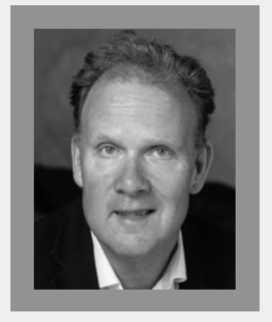
William Weymss
Kingsbarns
In 2005, William Wemyss founded Wemyss Malts, an independent bottling and blending business in a deliberate attempt to make Scotch feel less like an exam and more like an invitation. He built capability the slow way: selecting casks, blending, bottling, and, crucially, selling.