
(NOTE: FOUNDERS ARE LISTED IN ALPHABETICAL ORDER)
Scotch Whisky Founders
Speyside Region
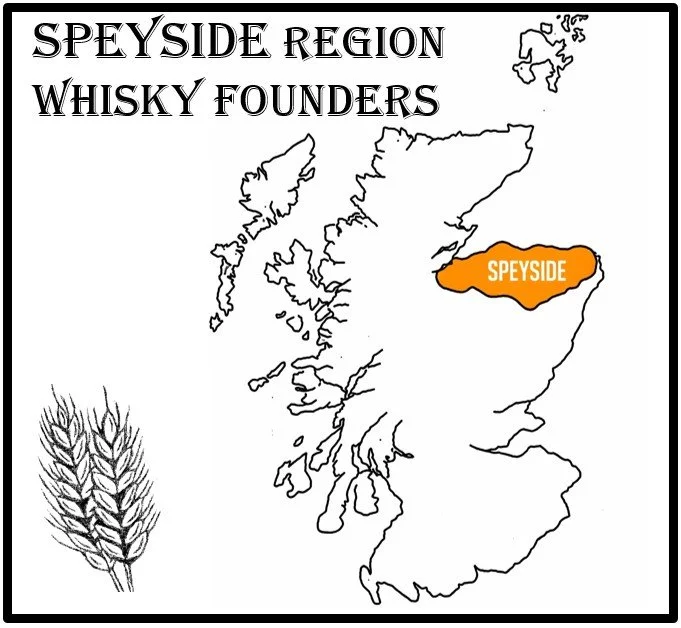
The Speyside Region includes Scottish Councils of Moray and Aberdeenshire.
Below are links to Whisky Founders that have made huge contributions to the growth of the Speyside Region as well as the Scotch Whisky Industry in general. These may have been historical figures that lived long ago before prohibition or may be living leaders that have advanced the cause of the industry as a whole.
1
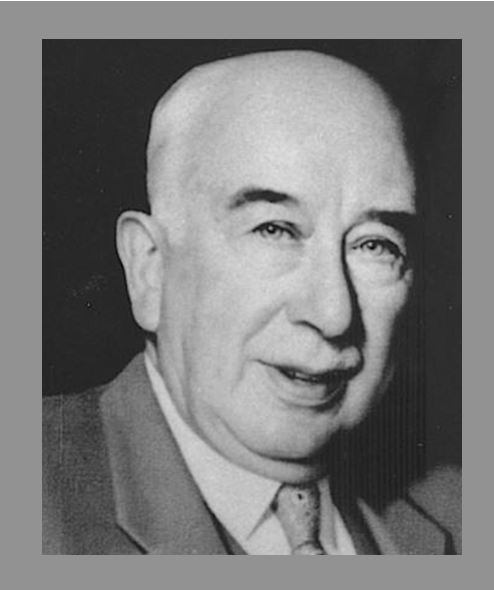
Jimmy Barclay
Barclay was traveling widely to build the reputations of his Ballantine’s and Old Smuggler brands, particularly in the United States. Ironically, this was precisely when America had made alcohol illegal; however, that contradiction was the point. Prohibition didn’t erase demand, it simply rerouted it.
2
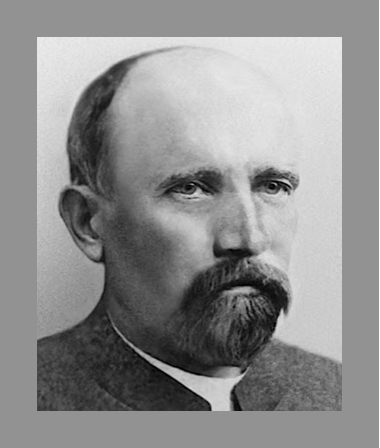
George Ballentine
Purely by good fortune, George Ballantine’s distilling career coincided with the new Excise Laws in Scotland. Also, in 1842, Ballantine married Isabella Mann, the daughter of a grain merchant. The union was conveniently a match that connected him more deeply with the agricultural and grain-supply networks.
3
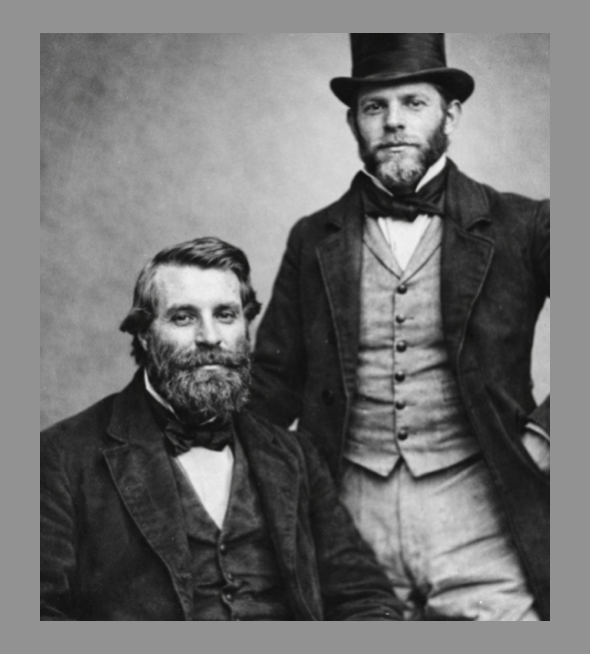
John & James Chivas
In 1857, John Chivas joined his brother James in the enterprise, an event widely treated as the moment Chivas Brothers became the operating name and identity of the firm. If James supplied the steady rise through the grocery and luxury-goods world, John supplied reinforcement in the form of a shared family stake in the business.
4
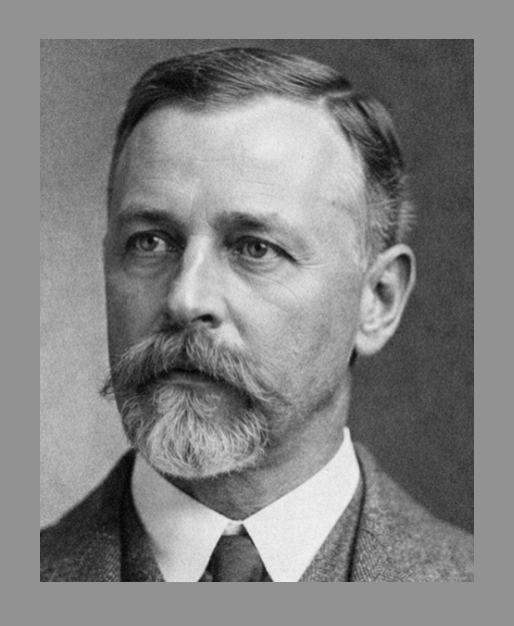
Alexander Cowie
Alexander Cowie returned from Hong Kong amid a family crisis. He was called back after the untimely death of his older brother, and then took on the distillery alongside his father, never returning to Asia. When, in 1896, his father George died, Alexander became the figure running Mortlach in his own right.
5
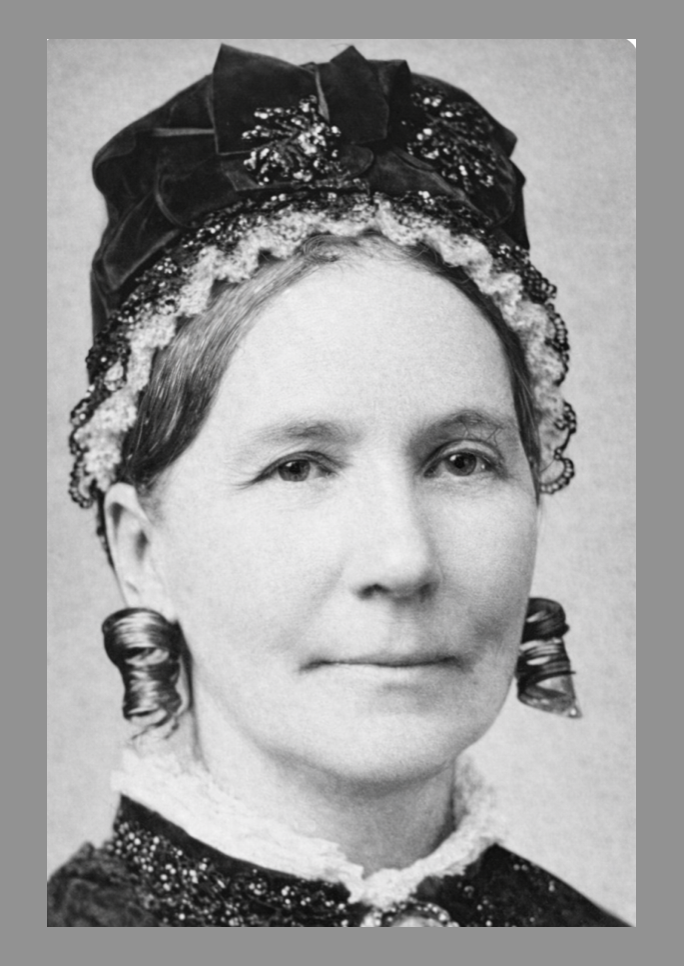
Elizabeth Cumming
Elizabeth Cumming secured tenure over adjoining land and set about constructing a new distillery designed to modernize and increase capacity dramatically. The change was not cosmetic; the point was output. Under Elizabeth’s direction, capacity was later reported as having tripled.
6
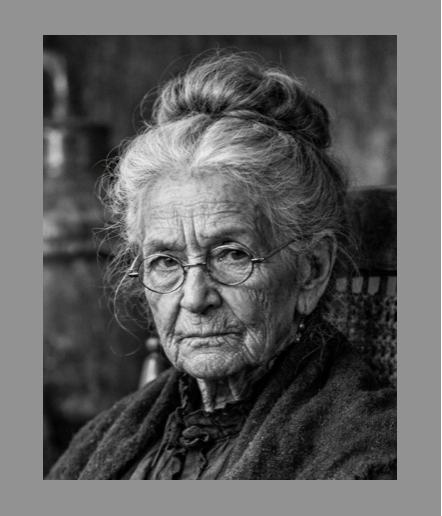
Helen Cumming
Helen Cumming abruptly switched the scene from distilling whisky to domestic work with breathtaking speed: hiding equipment and replacing it with bread-making materials, dusting herself with flour, and greeting the excise (tax) officers as if they had arrived at the most ordinary moment in a working family’s kitchen.
7
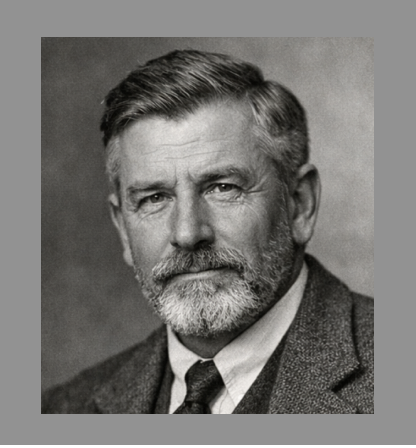
Alexander Edward
Alexander Edward laid the foundations for Aultmore Distillery in 1896, making Aultmore the first distillery he created entirely from scratch. He commissioned Charles Doig as architect and positioned Aultmore as another pillar in a growing network. At the same time, he also invested in Benromach and Dallas Dhu.
8
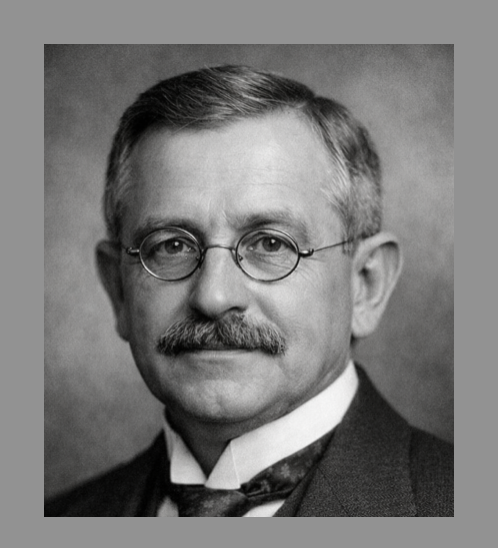
James Fleming
In 1879, James Fleming secured a lease from the Earl of Fife for land on which he would build a new distillery at Aberlour. The distillery was be his own creation rather than a takeover. Production began there in December 1880. That distillery continues to produce one of Speyside’s best-known single malts.
9
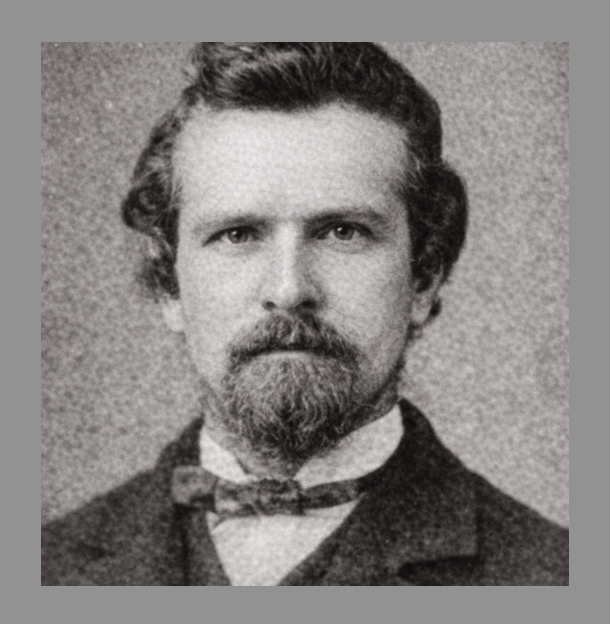
William Grant
William Grant took the name of his new distillery from his familiar place: Glenfiddich, Gaelic for “Valley of the Deer.” After about a year of hard work, the project reached the moment that matters most in any distiller’s life—the first run. On Christmas Day, 1887, the first spirit flowed from Glenfiddich’s stills.
10
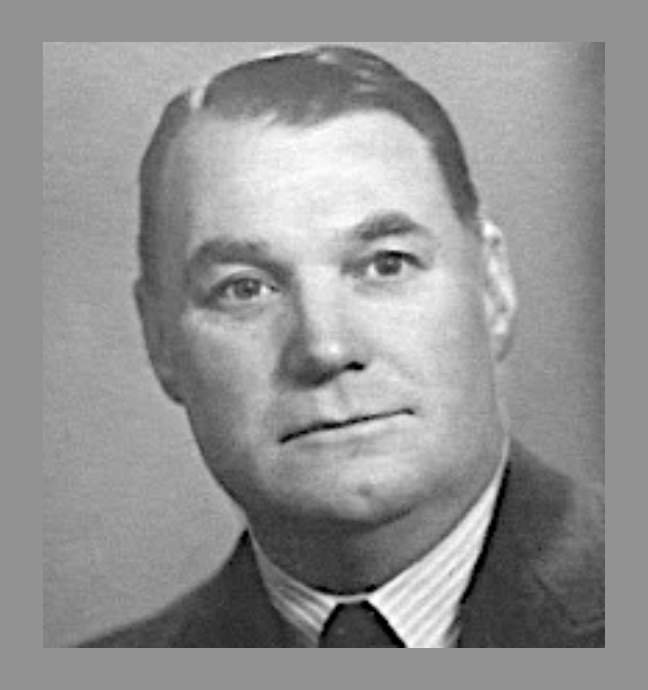
Charles Julian
Charles Julian was one of the most influential professional blenders of the twentieth century, shaping several of the world’s best-known Scotch brands at a moment when blending defined international whisky taste. Although he worked largely behind the scenes, Julian played a central role in the rise of modern premium blends.
11
W.P. Lowrie
In 1869, WP Lowrie struck out on his own, establishing himself as a broker and commission agent for Scotch whiskies. Glasgow in the late 19th century was a nerve center of blending, warehousing, bottling, and export. Lowrie positioned his firm right where the business was becoming modern.
12
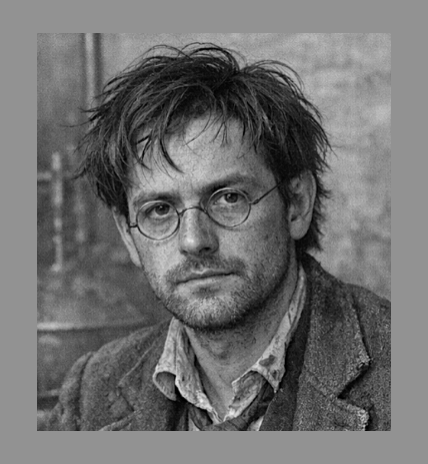
Peter MacKenzie
MacKenzie and his partners converted existing mill buildings, repurposing industrial infrastructure for whisky production. MacKenzie was the leading founder, but his partnership also included Richard Stackpole and Charles MacPherson. Nearby stood John Symon’s sawmill and meal mill, which were likewise incorporated into the scheme, bringing Symon in as an additional partner.
13
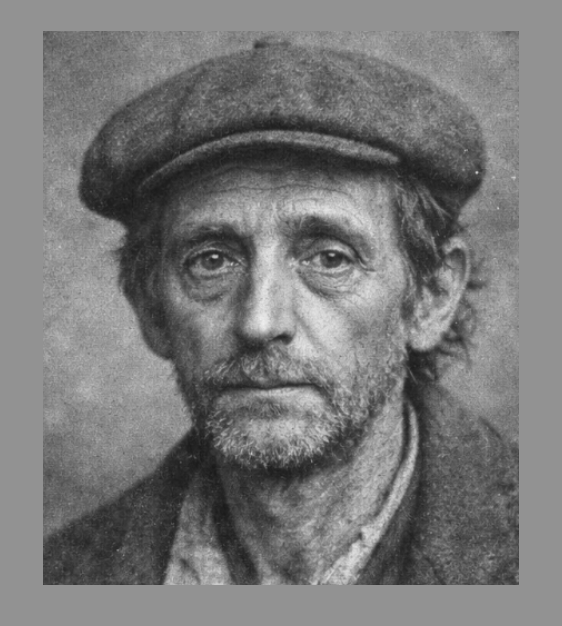
William Mackenzie
THIS FOUNDERS HISTORY WILL BE PUBLISHED SOON
14
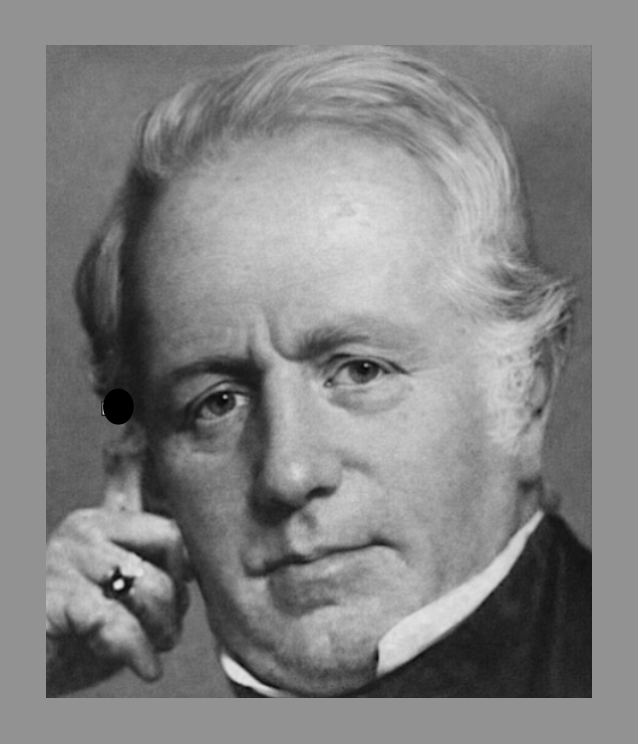
George Smith
George Smith’s distillery succeeded quickly enough that it did not remain small for any time at all, and quickly had to be extended four times. The Glenlivet’s official narrative adds a glimpse of output: by the late 1830s, the distillery was producing more than 200 gallons a week, and Smith was forced to bring in outside help.
15
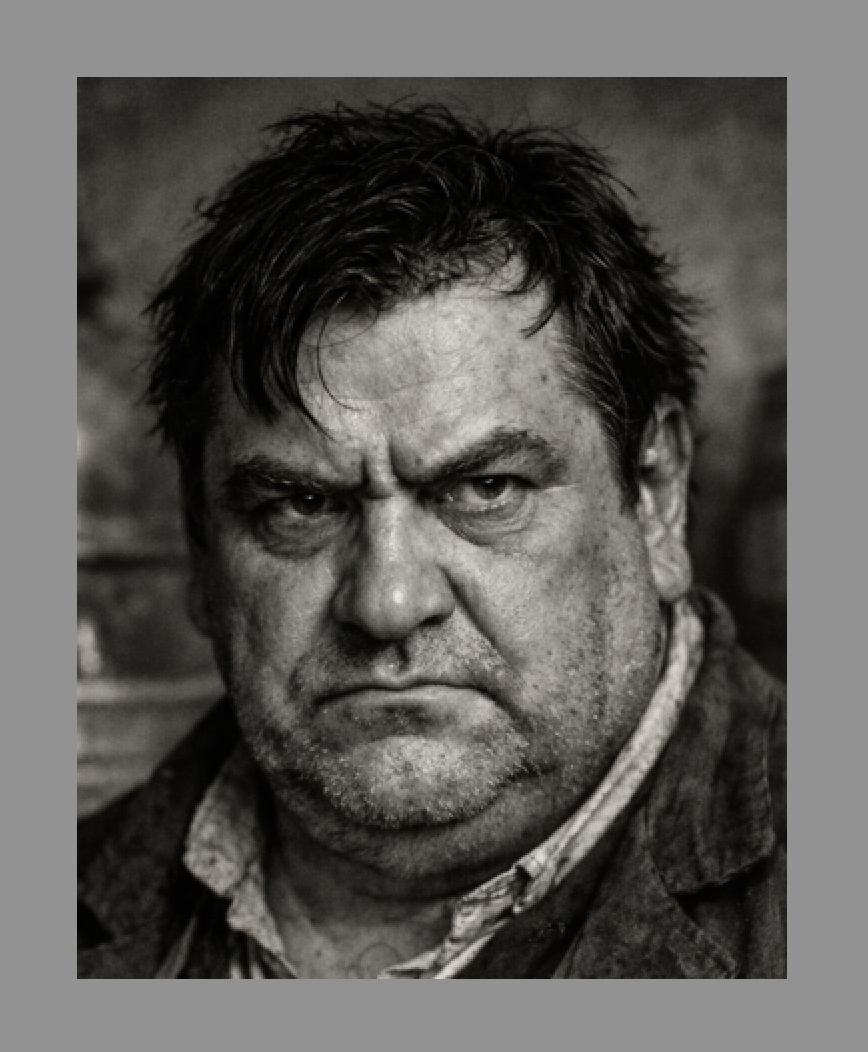
John Smith
In 1869, John Smith made the move that fixed his name to a place. He secured land leased from Sir George Grant and built a distillery beside the Craggan Burn, close to the River Spey and near the Strathspey railway line. The decision was strategic: water, power, and transport were the essentials.
16
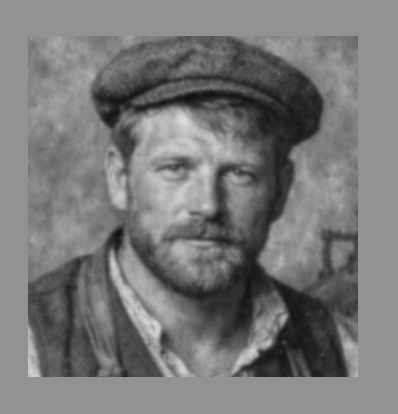
Adam Teacher
THIS FOUNDERS HISTORY WILL BE PUBLISHED SOON
17
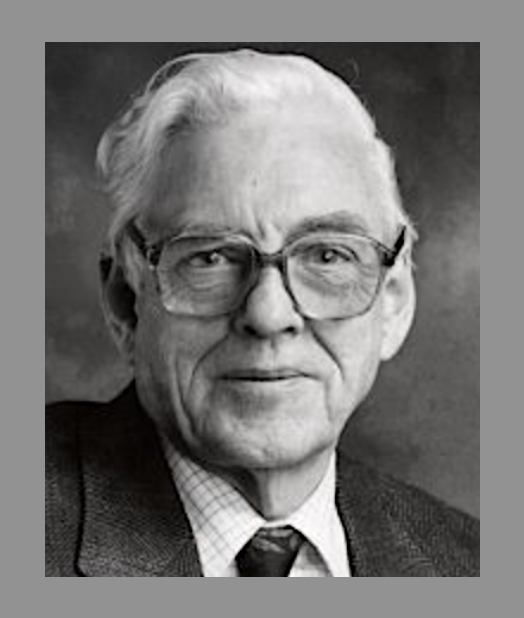
George Urquhart
George Urquhart built relationships with distillers, bought casks, and held onto them far longer than most of the market thought sensible. Gordon & MacPhail’s own history materials describe the way George’s “carefully nurtured relationships” with local distillers helped them focus on maturation as a craft.