
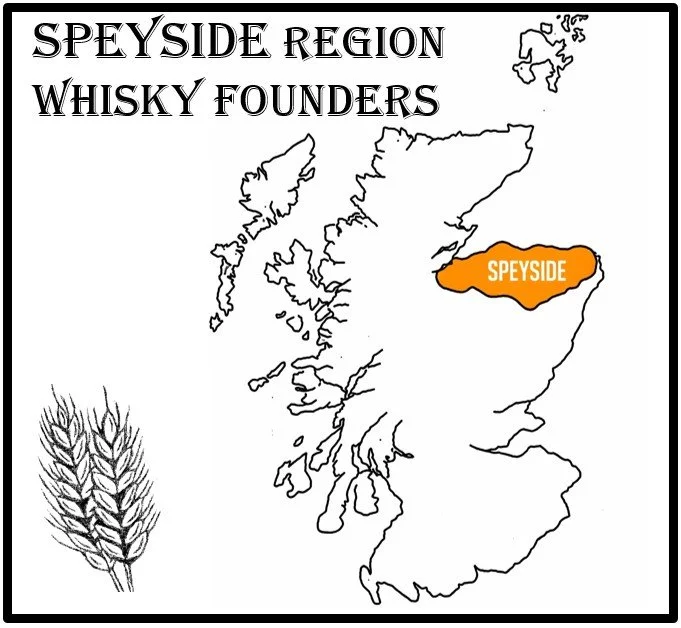
Click on above Tile to revert back to the full Speyside Region
Below are links to Whisky Founders that have made huge contributions to the growth of the Western portion of the Speyside Region as well as the Scotch Whisky Industry in general. These may have been historical figures that lived long ago before prohibition or may be living leaders that have advanced the cause of the industry as a whole.
Scotch Whisky Founders
Scotch Founders
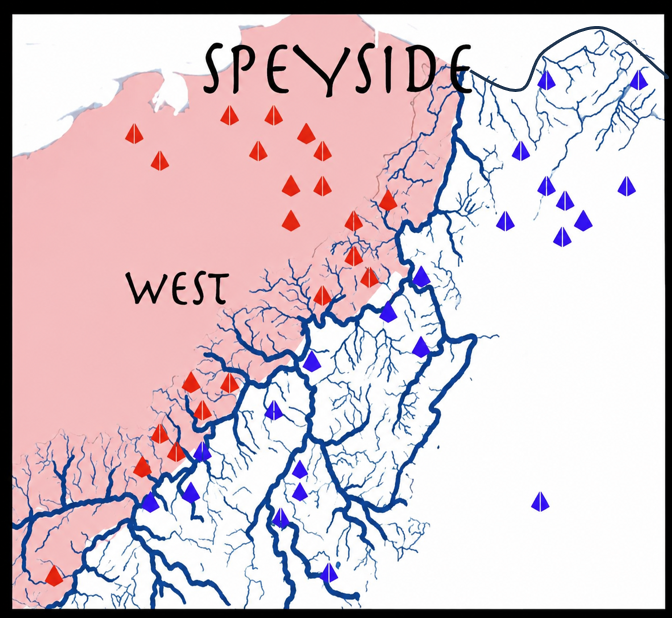
West Speyside Region
The West Speyside Region includes all Speyside Scotch distilleries and Founders Life Stories West of the River Spey.
(NOTE: FOUNDERS ARE LISTED IN ALPHABETICAL ORDER)
1
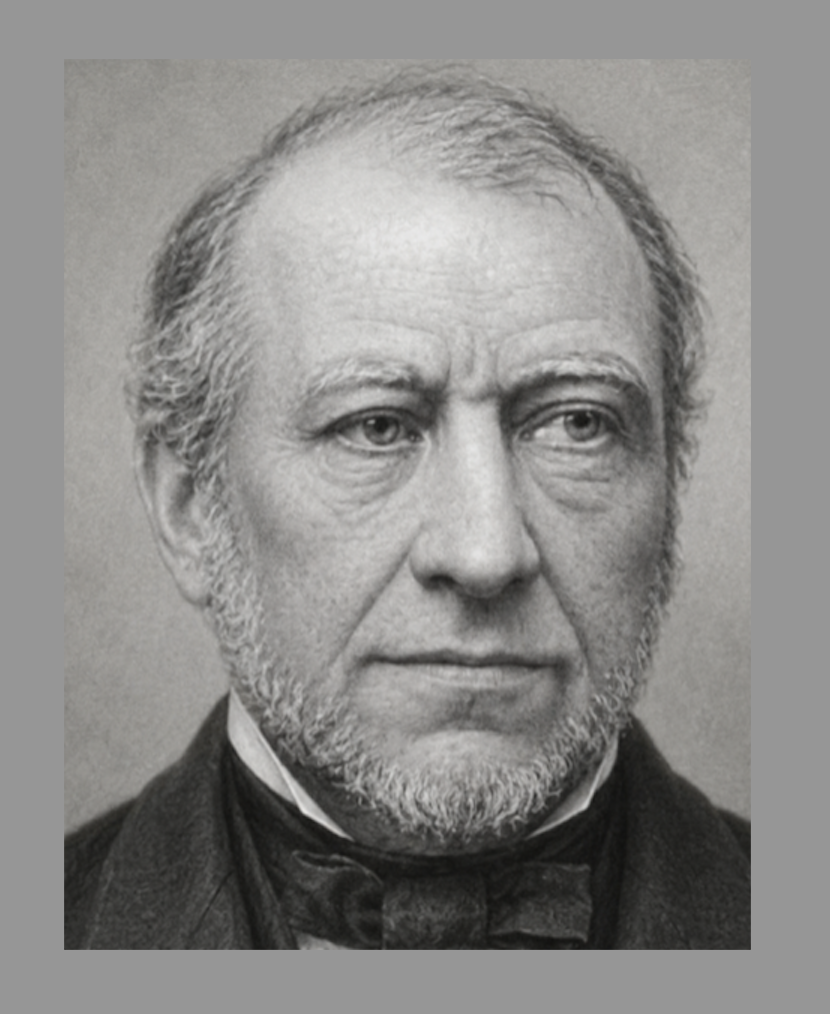
Robert Bain
Miltonduff
Robert Bain’s venture required substantial knowledge of grain handling, fermentation, local trade relationships, and increasingly complex excise regulations. He was not merely a speculative investor entering a fashionable trade, but a serious tradesman entering a difficult and highly competitive business.
2
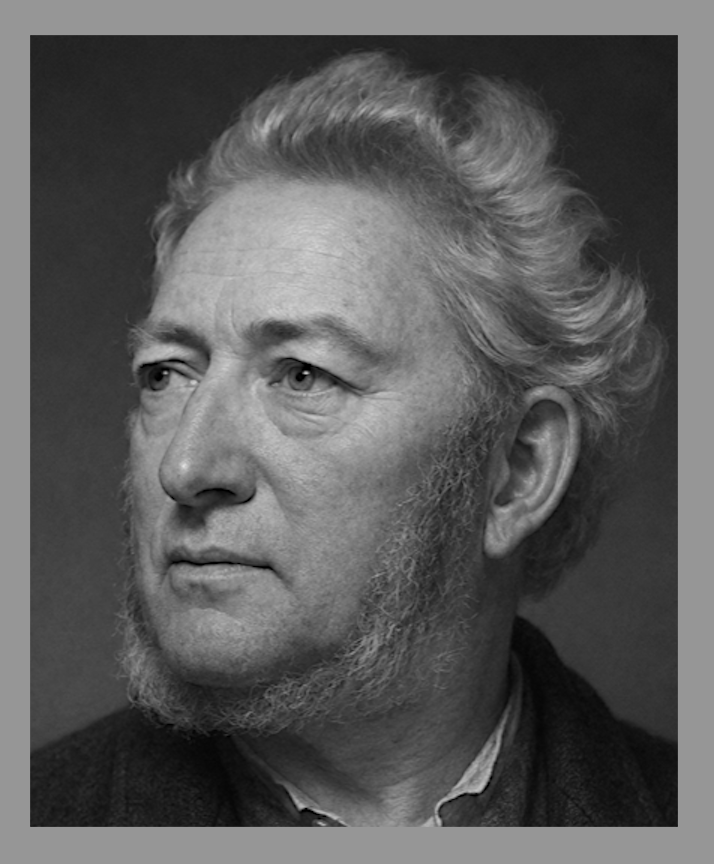
Peter Brown
Linkwood
Peter Brown saw the opportunity to move from illicit production into legitimate commercial whisky-making, so in 1821 he founded Linkwood Distillery on land just south of Elgin. Production began in 1824. The distillery drew its water from the clear springs and burns near Millbuies Loch.
3
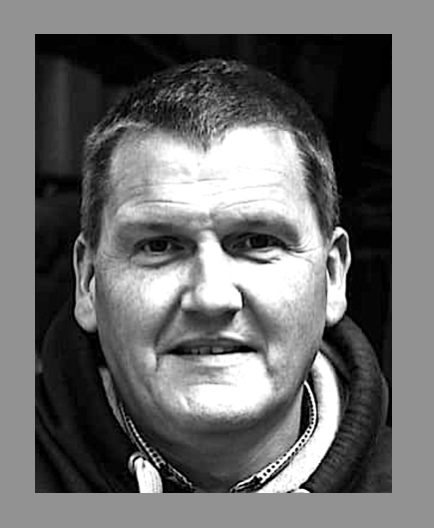
Graham Coull
Glen Moray
Graham Coull consistently emphasizes continuity over radical reinvention at Glen Moray. He often points to the small number of master distillers at Glen Moray as a reason for the whisky’s consistency; rather than treating whisky production as a marketing exercise, he approaches it as his custodial responsibility.
4

Keith Cruickshank
Benromach
FKeith Cruickshank made the leap to distillery manager at Benromach, a role he has now held for a quarter of a century. He has a reputation as possessing deep practical knowledge of traditional methods, credited to his accumulated years of technical and operational expertise on the production side.
5
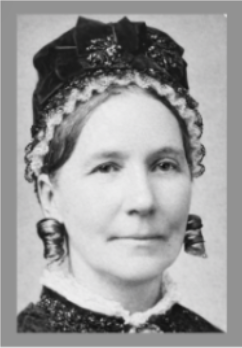
Elizabeth Cumming
Cardhu
Elizabeth Cumming secured tenure over adjoining land and set about constructing a new distillery designed to modernize and increase capacity dramatically. The change was not cosmetic; the point was output. Under Elizabeth’s direction, capacity was later reported as having tripled. .
6
Helen Cumming
Cardhu
Helen Cumming abruptly switched the scene from distilling whisky to domestic work with breathtaking speed: hiding equipment and replacing it with bread-making materials, dusting herself with flour, and greeting the excise (tax) officers as if they had arrived at the most ordinary moment in a working family’s kitchen.
7
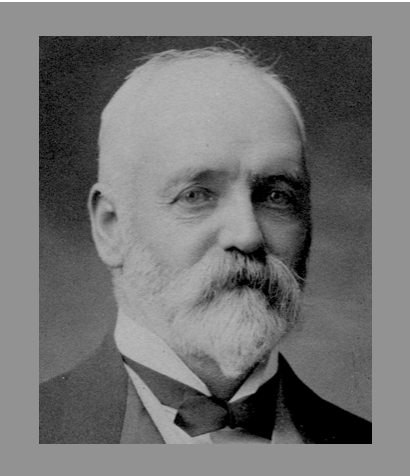
John Duff
Benriach
John Duff, seeking independence from the financial constraints of his partners, sold his share in Glenlossie. He decided to pack up and move with his family to South Africa where he planned to build the country’s first whisky distillery in the Transvaal. Unfortunately, Duff badly underestimated the political situation.!
8
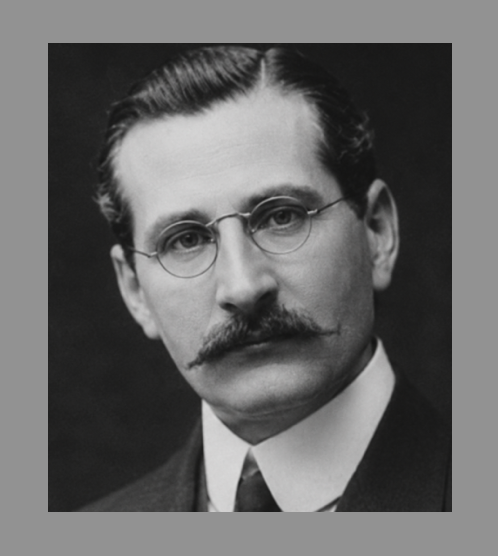
John Hopkins
Speyburn
In 1874, John Hopkins founded his distilling company, but he did not simply want to sell whisky; he wanted to produce it himself. So in 1896, Hopkins selected a secluded site near Rothes in Speyside, a region already famous for its pure water sources, and commissioned the building of Speyburn distillery.
9
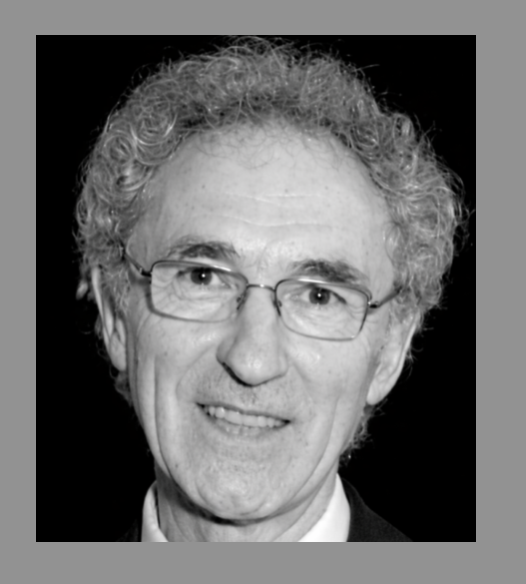
Dennis Malcolm
Glen Grant Distillery
Dennis Malcolm’s early education followed the standard local path, but formal schooling did not hold his interest for long. Woodworking appealed to him, and this inclination shaped his first decisive step into whisky. At the age of fifteen, he entered the Glen Grant distillery as an apprentice cooper.
10

Kirstie McCallum
Glen Moray
Kirstie McCallum completed university and intended to work in the pharmaceutical industry. She accepted a temporary position at Port Dundas Distillery in Glasgow. That decision altered the direction of her life, with whisky becoming a permanent career after she discovered that she loved the industry.
11
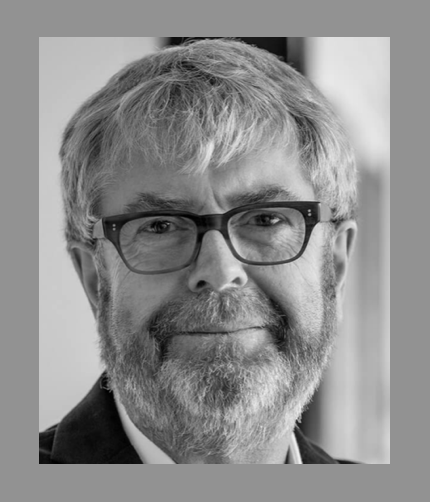
Nick Morgan
Roseisle
Nick Morgan’s work intersected with operational realities through communication and education. He engaged with industry professionals, journalists, and enthusiasts, explaining how Roseisle fit into the broader system of Scotch whisky production. His ability to articulate shaped public perceptions of the distillery.
12
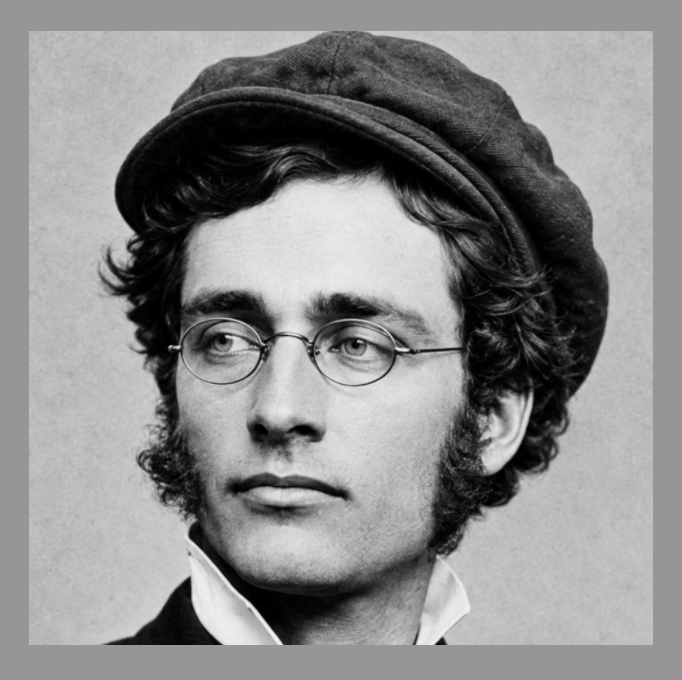
William Paul
Glen Burgie
William Paul established Kinflat distillery, later to be known as Glenburgie distillery, in 1810 near Forres, Morayshire. He carefully chose the distillery’s location: close to fertile farmland, reliable water sources, and eventually transportation links that would allow whisky to reach expanding urban markets.
13
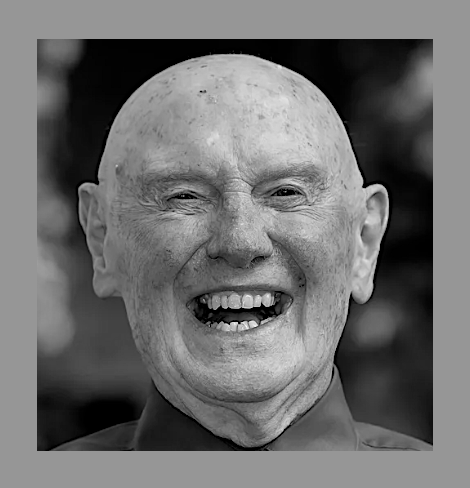
Willie Phillips
The Macallan
FWillie Phillips’ entry into The Macallan came about entirely by chance. A friend left a newspaper clipping on Phillips' desk. When Phillips turned the clipping over before discarding it, he noticed a job advertisement seeking an accountant for The Macallan Distillers Ltd. He applied for the job immediately.
14
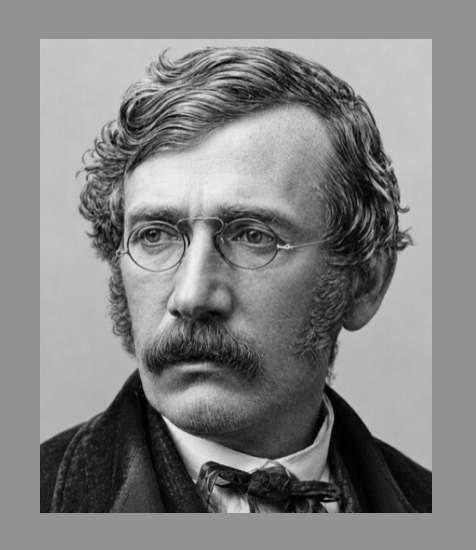
John Robertson
Roseisle
John Robertson determined the site for Coleburn strategically in an area already famous for malt whisky production. The location in Longmorn, near Elgin, offered access to clean water supplies from the Glen Burn. It also provided excellent railway connections through the Great North of Scotland railway.
15
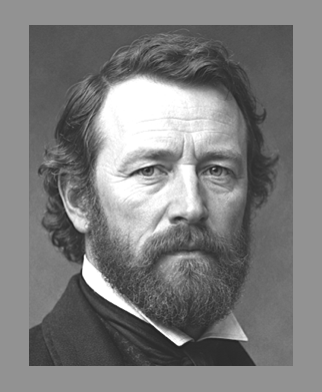
William Simpson
Glen Elgin
William Simpson worked as a manager at Glenfarclas, a role that would have placed him at the center of production, warehousing, labor supervision, and commercial planning. In the nineteenth-century whisky industry, a distillery manager needed these skills as well as diplomacy to navigate workers as well as excise officers.
16
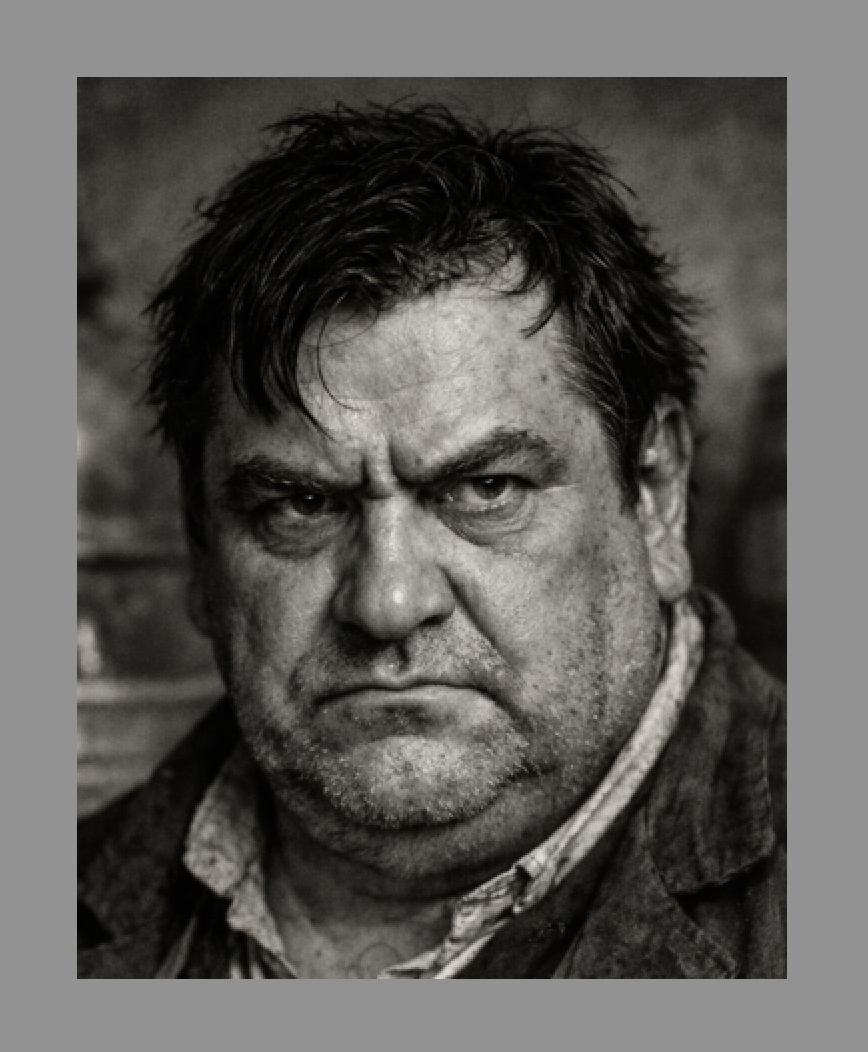
In 1869, John Smith made the move that fixed his name to a place. He secured land leased from Sir George Grant and built a distillery beside the Craggan Burn, close to the River Spey and near the Strathspey railway line. The decision was strategic: water, power, and transport were the essentials.
John Smith
Cragganmore
17
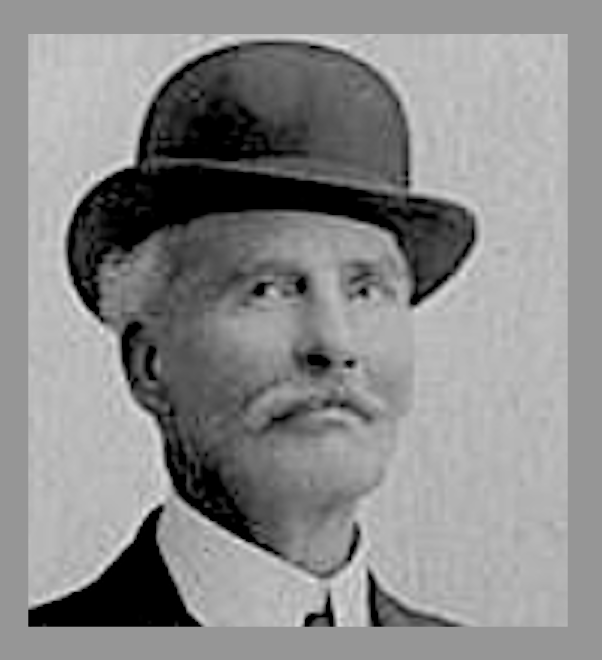
James Stuart
Glenrothes
FGlenrothes was officially founded in 1878, with James Stuart named as proprietor of the firm. From the outset, James Stuart & Co. aimed to produce a light, fruity single malt rather than the heavier, peaty styles then common. However, the venture nearly collapsed before construction was even completed.
18
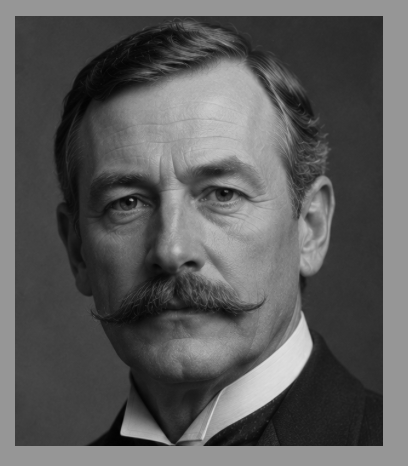
John Thompson
Knockando
FJohn T. Thomson launched his most ambitious idea to build a brand new distillery at Knockando on the banks of the River Spey. The location was strategically chosen. The area possessed excellent spring water, access to barley-growing districts, and proximity to railway transportation.
19

Mhairi Winters
The Cairn
Mhairi Winters participated personally in the “topping out” ceremony celebrating completion of the distillery by placing a bottle of Benromach whisky within the stonework. The symbolism was deliberate: Benromach represented Gordon & MacPhail’s first distillery, while The Cairn embodied its future.