
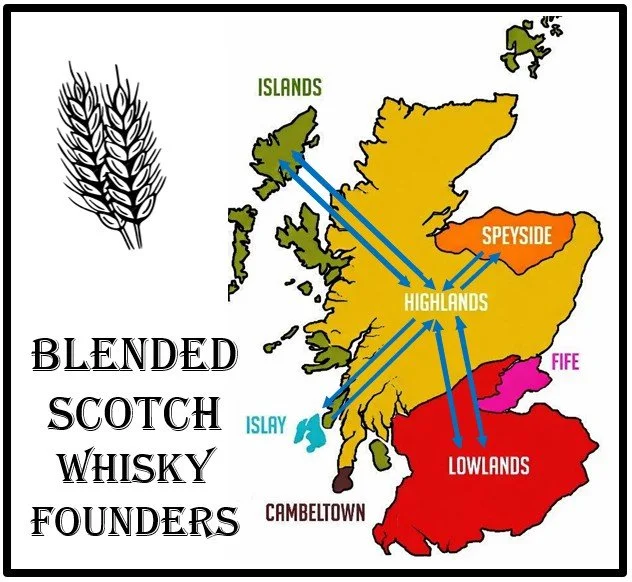
(NOTE: FOUNDERS ARE LISTED IN ALPHABETICAL ORDER)
Blended Scotch Whisky Founders
The Blended Founders include large multinational companies who utilize(d) subsidaries in their Scotch blends.
Below are links to Whisky Founders that have made huge contributions to the growth of Scotch Whisky Industry as a whole. These may have been historical figures that lived long ago before prohibition or may be living leaders that have advanced the cause of the industry as a whole.
1
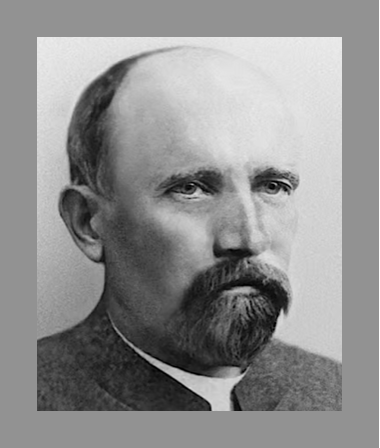
George Ballentine
Ballentine’s
Purely by good fortune, George Ballantine’s distilling career coincided with the new Excise Laws in Scotland. Also, in 1842, Ballantine married Isabella Mann, the daughter of a grain merchant. The union was conveniently a match that connected him more deeply with the agricultural and grain-supply networks.
2
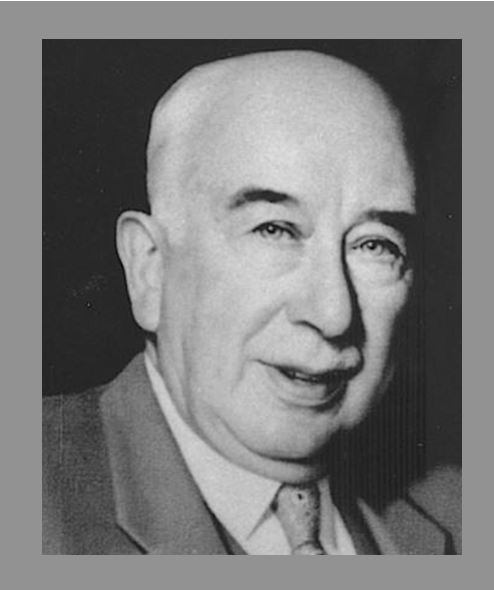
Jimmy Barclay
Chivas Bros.
Barclay was traveling widely to build the reputations of his Ballantine’s and Old Smuggler brands, particularly in the United States. Ironically, this was precisely when America had made alcohol illegal; however, that contradiction was the point. Prohibition didn’t erase demand, it simply rerouted it.
3
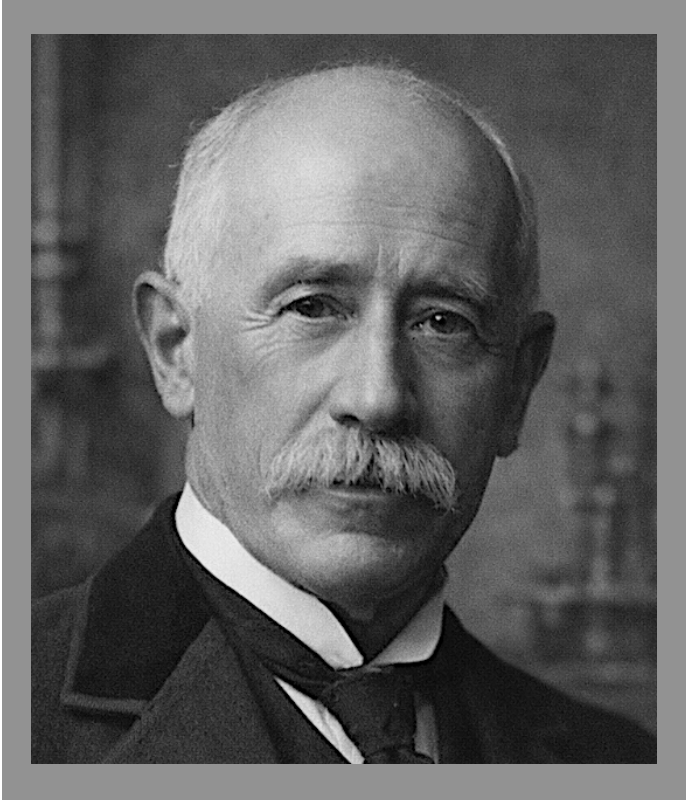
Arthur Bell
Bell’s
In 1851, Arthur Bell was offered a partnership in a newly-named firm which came to be known as Roy & Bell. That same year, Bell began to blend whiskies in pursuit of a more uniform product, one that would taste the same from bottle to bottle, not just from cask to cask; the point was consistency.
4

Jim Beveridge
Johnnie Walker
Jim Beveridge served as Johnnie Walker’s Master Blender for about 20 years, within a total career at Diageo that stretched beyond four decades. He lead a specialist team responsible not only for Johnnie Walker, but for maintaining the quality and consistency across Diageo’s whole Scotch portfolio.
5

David Boyd
Chivas Bros.
David Boyd created the recipe and blending structure that became Aberlour A’bunadh. The whisky stood apart from all mainstream Scotches of its day: Matured in oloroso sherry casks and bottled at cask strength, A’bunadh delivered a thick, muscular style that especially appealed to advanced whisky drinkers.
6
James Buchanan
Black & White
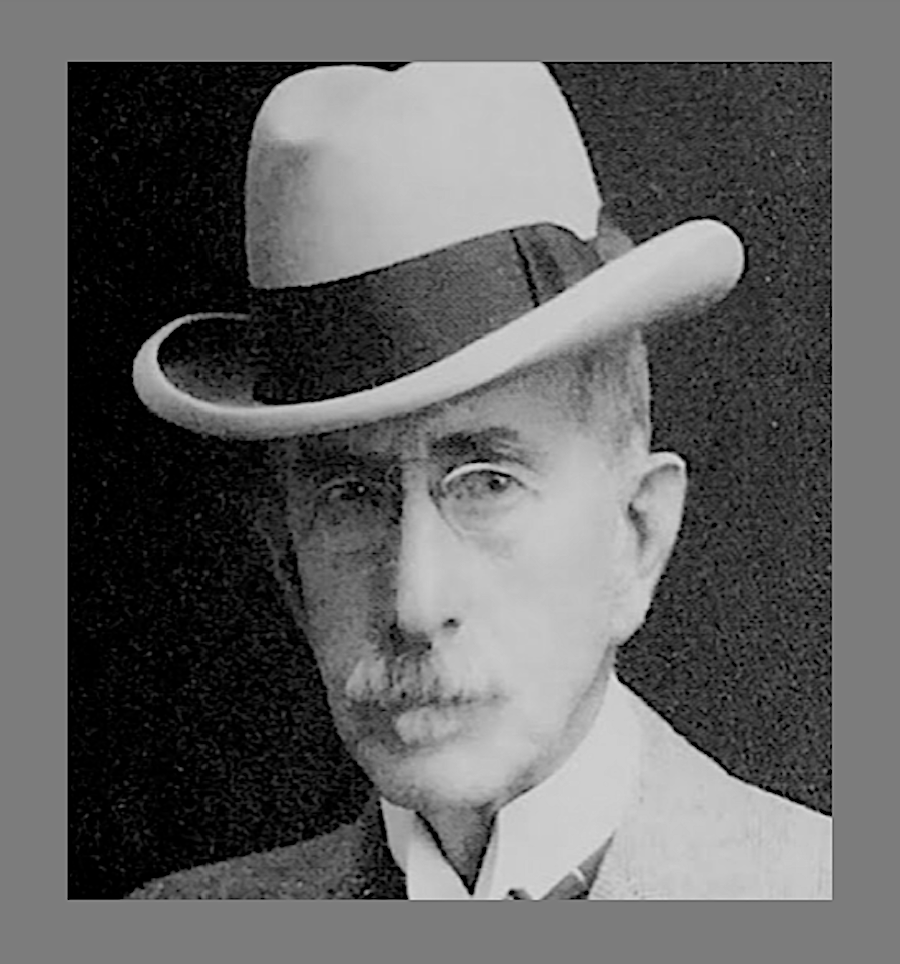
James Buchanan tied his brand to high-status signals that moved product. In 1898, he received Royal Warrants to supply Queen Victoria, the Prince of Wales, and the Duke of York, reinforcing the notion that his was respectable Scotch. Soon, the company’s footprint included overseas offices in Paris and New York.
7
John & James Chivas
Chivas Bros.
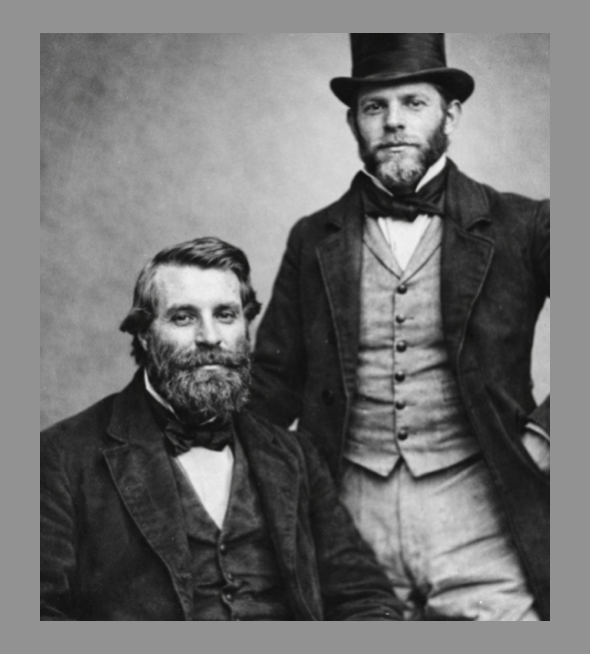
In 1857, John Chivas joined his brother James in the enterprise, an event widely treated as the moment Chivas Brothers became the operating name and identity of the firm. If James supplied the steady rise through the grocery and luxury-goods world, John supplied reinforcement in the form of a shared family stake in the business.
8
Alistair Cunningham
Dumbarton
Alistair Cunningham and draftsman Arthur Warren came up with an idea for a new type of still. They designed and devised what became known as the “Lomond still.” It was not created to be pretty, but it introduced a neck and rectification arrangement intended to give far more control over reflux.
9
Tommy Dewar
Dewar’s
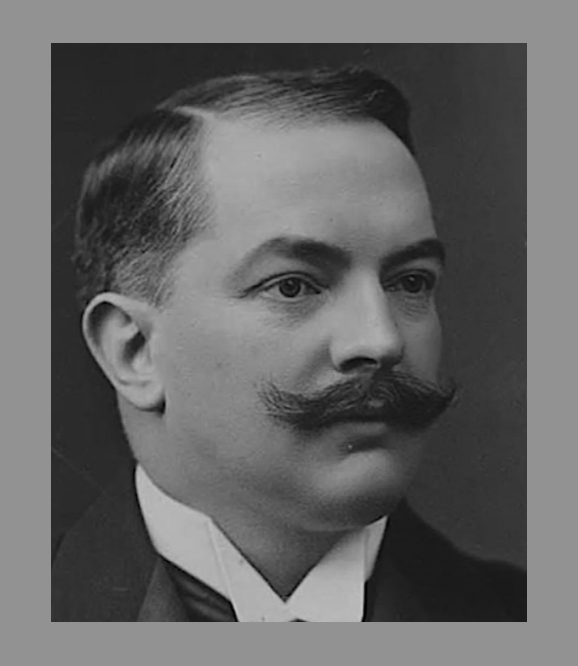
Tommy Dewer maintained a serviced apartment at the elite Savoy Hotel from 1904 to 1930, a run that has been widely credited as the Savoy’s longest continuous guest stay. This placed him at the crossroads of politics, theatre, finance, sport, and press, exactly the social ecosystem where he thrived.
10
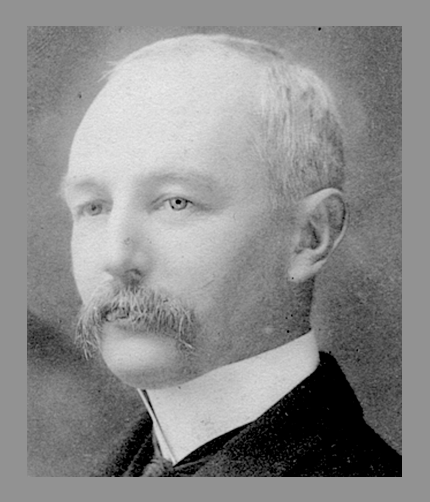
John Dewar, Jr.
Dewar’s
John Dewar, Jr., carried himself with the quiet seriousness of someone who had grown accustomed to responsibility earlier than most young men of his era. He could scan a warehouse ledger and detect a discrepancy instinctively. He understood, even then, that the distillery would one day rest on his judgment.
11
Matthew Gloag III
The Famous Grouse
Matthew Gloag III’s adulthood was defined by turning succession into invention. He did not merely keep the shop open; he created a blend that carried a national symbol on its label, then built the corporate machinery behind it. That bird still stands on the bottle as the symbol for what he accomplished.
12
John Haig
Haig
In 1824, John Haig made the defining decision of his career. He acquired and adapted the old Cameron Mills site beside the River Leven and founded Cameronbridge Distillery, establishing John Haig & Co. Cameronbridge quickly became one of the most significant industrial distilleries in Scotland.
13
Beaumont Hankey
Hankey Bannister
Beaumont Hankey was a man about town. He was suave, socially fluent, and endowed with aristocratic connections. He understood instinctively the standards expected by ladies and gentlemen of quality when choosing wines and spirits. His confidence and charm made him a natural ambassador for the firm.
14
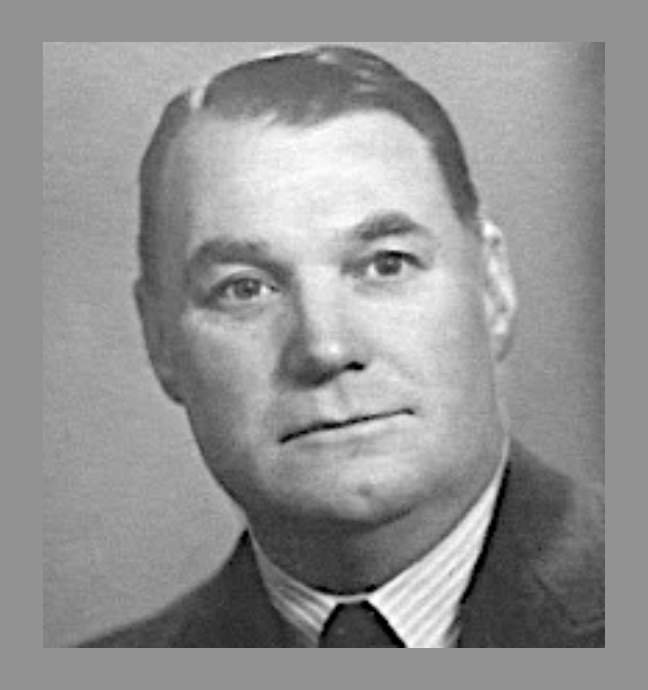
Charles Julian
J&B
Charles Julian was one of the most influential professional blenders of the twentieth century, shaping several of the world’s best-known Scotch brands at a moment when blending defined international whisky taste. Although he worked largely behind the scenes, Julian played a central role in the rise of modern premium blends.
15
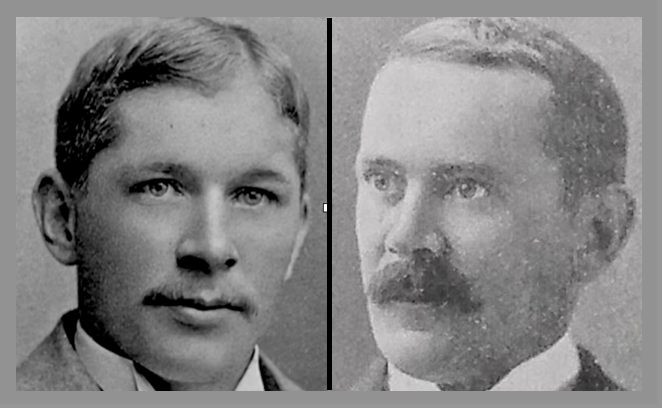
Walter GG Pattison and Robert Pattison
Pattisons, Ltd.
Brothers Walter Pattison and Robert Pattison had principal brands that included Morning Dew and Royal Gordon, among others. Their subsequent growth, culminating in the 1896 floatation of the company on the London Stock Exchange, can only be described as meteoric, and resulted in their lavish lifestyles.
16
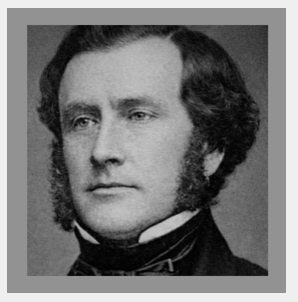
William Teacher
Teacher’s
William Teacher was positioned to do more than sell other people’s whisky. He would create and refine whisky intended for his own premises and customers. At that point, he developed a style with unusually high peated malt content for the period, building a profile that was more robust than delicate.
17
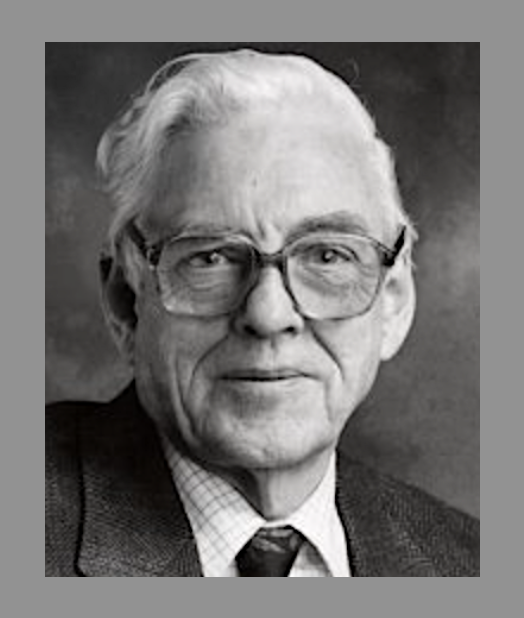
George Urquhart
Gordon & McPhail
George Urquhart built relationships with distillers, bought casks, and held onto them far longer than most of the market thought sensible. Gordon & MacPhail’s own history materials describe the way George’s “carefully nurtured relationships” with local distillers helped them focus on maturation as a craft.
18
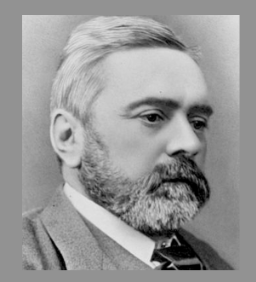
Alexander Walker
Johnnie Walker
Alex Walker pushed the family’s whisky trade outward, and treated shipping not as a barrier but as a sales channel. One of his smartest decisions was packaging, because the container often decides whether the contents survive. In 1860, he introduced the square-sided bottle for Walker’s whisky.
19

Emma Walker
Johnnie Walker
Dr. Emma Walker oversees a maturing inventory of more than 11 million casks and leads a 12-person team, numbers that illustrate why the role is as much planning as it is tasting. Her working method is explicitly hybrid: decisions begin on paper with detailed maps of distilleries, styles, and cask types.
20
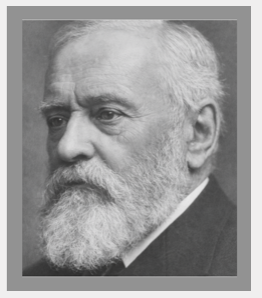
John Walker
Johnnie Walker
John Walker’s shop sold what a respectable customer might want at the table: groceries, specialty items, and drink, including whisky. Spirits, however, were not yet the neat, standardized product a modern drinker expects. Bottling at the source was not the norm, and quality could vary immensely from batch to batch
21
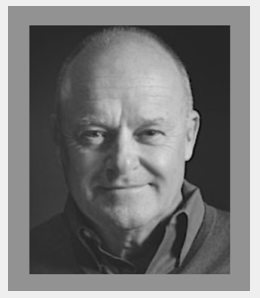
Paul Walsh
Johnnie Walker
Paul Walsh reshaped the trajectory of Johnnie Walker Scotch by imposing a disciplined strategy of premiumization that redefined how that blended spirit was presented to the world. Rather than pursuing growth through volume alone, he emphasized value, tiering the structure of Red, Black, Green, Gold, and Blue Labels.
22

Alan Winchester
Chivas Bros.
In 1994, Alan Winchester joined the Pernod Ricard organization at Aberlour. The move placed him inside what would become one of the largest whisky companies in the world, where he became deeply associated with Chivas Brothers, eventually overseeing production at numerous distilleries.