
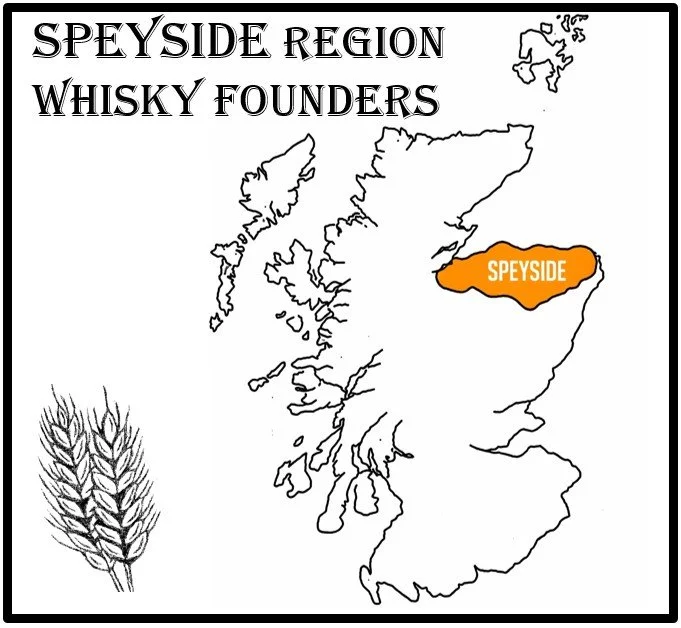
Click on above Tile to revert back to the full Speyside Region
Below are links to Whisky Founders that have made huge contributions to the growth of the Eastern portion of the Speyside Region as well as the Scotch Whisky Industry in general. These may have been historical figures that lived long ago before prohibition or may be living leaders that have advanced the cause of the industry as a whole.
Scotch Whisky Founders
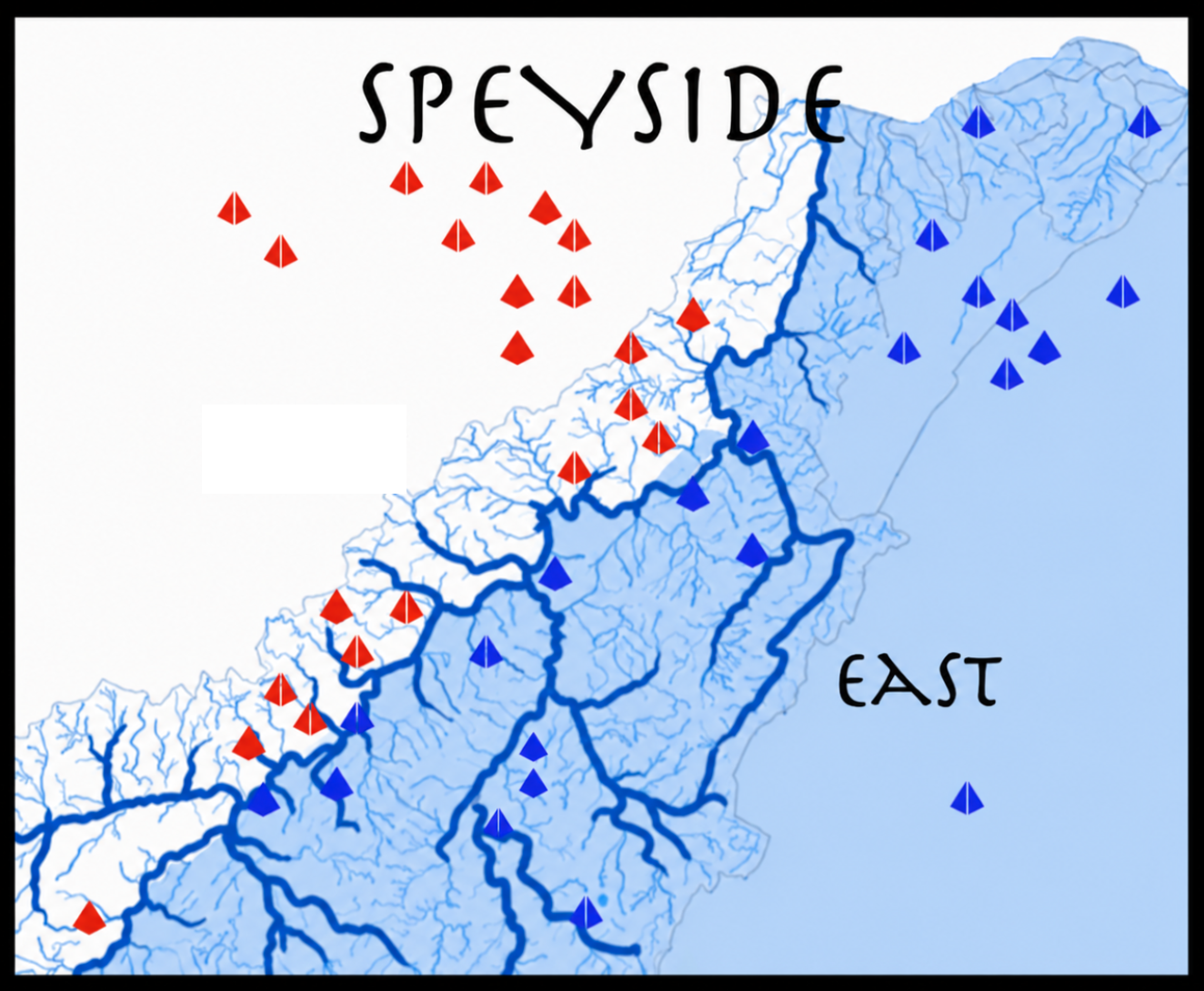
East Speyside Region
The East Speyside Region includes Speyside Scotch distilleries and founders East of the River Spey.
(NOTE: FOUNDERS ARE LISTED IN ALPHABETICAL ORDER)
1
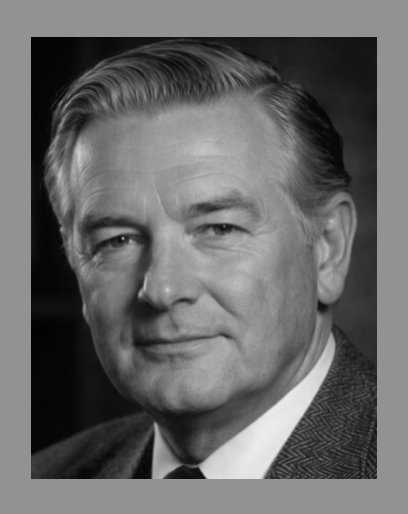
George Christie
Speyside Distillery
George Christie’s distillery advanced very gradually, and construction continued for more than two-and-a-half decades until it was finally completed in 1987. Even then, whisky production did not begin immediately. Christie spent additional time preparing the equipment before spirit finally ran in 1990.
2
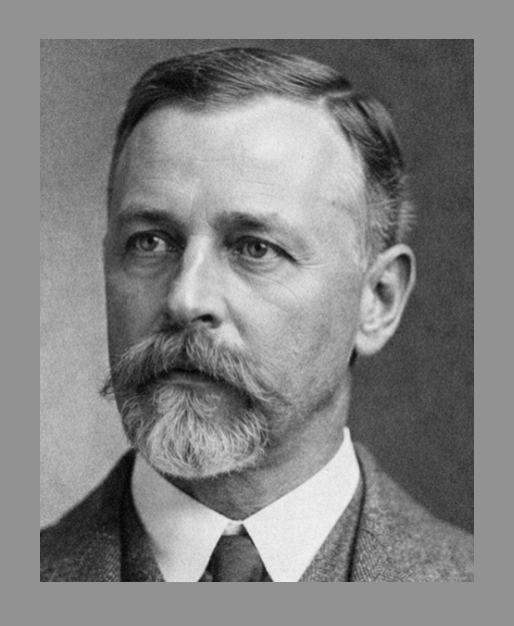
Alexander Cowie
Mortlach
Alexander Cowie returned from Hong Kong amid a family crisis. He was called back after the untimely death of his older brother, and then took on the distillery alongside his father, never returning to Asia. When, in 1896, his father George died, Alexander became the figure running Mortlach in his own right.
3
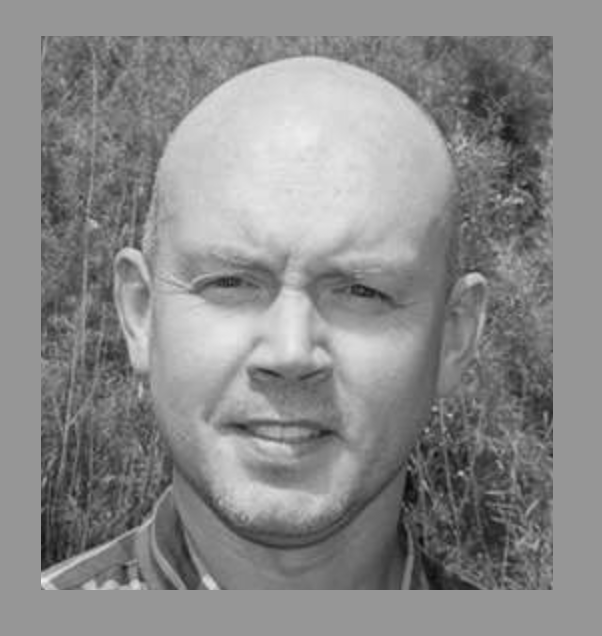
Jonathan Christie
Cabrach Distillery
Jonathan Christie has repeatedly emphasized that the Cabral Project was designed to reconnect modern whisky-making with the area’s deep historical roots. The district occupies an important place in Scotch whisky history because of its association with illicit distillation during the 18th and 19th centuries.
4
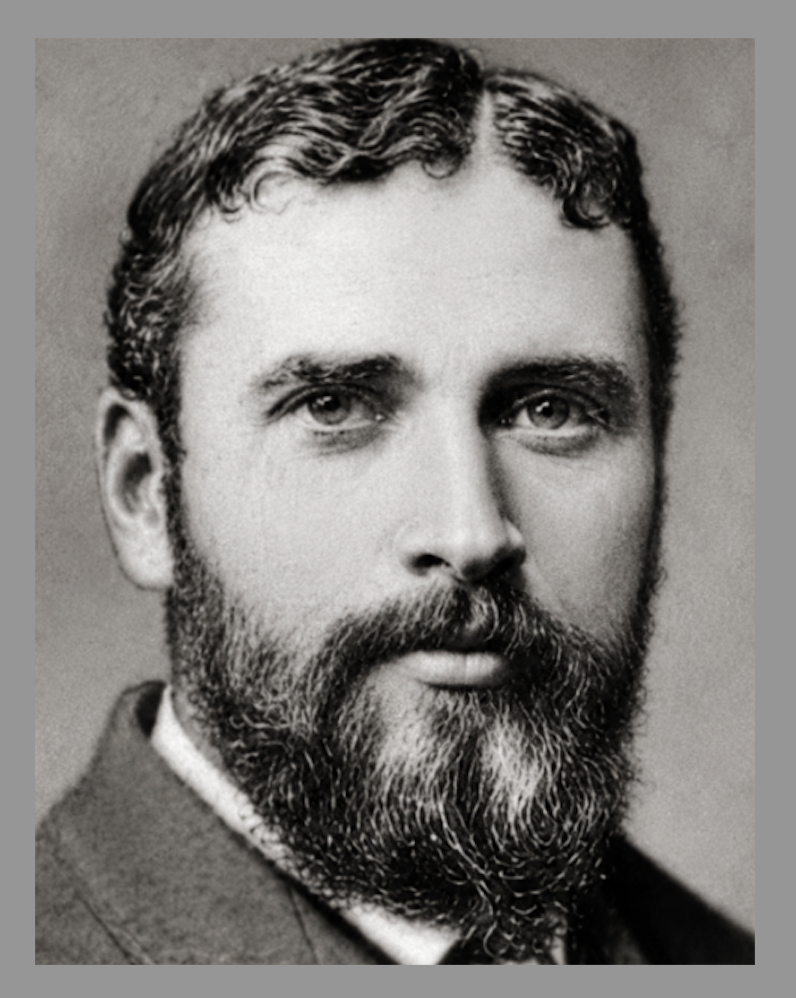
Peter Dawson
Towiemore
Peter Dawson was perhaps best known for his founding of Towiemore distillery near Dufftown. Early construction started in 1896, and distilling began in 1898. Dawson insisted that he employed only “respected” workers and managers, and used modern techniques. Towiemore was associated with purity and quality.
5
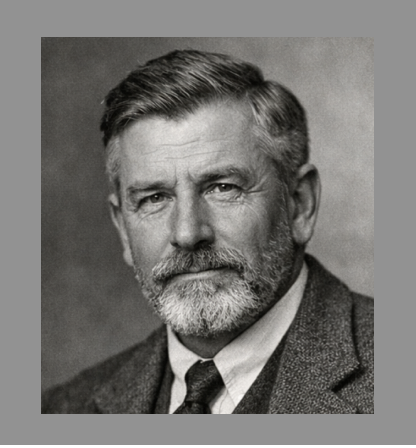
Alexander Edward
Aultmore
Alexander Edward laid the foundations for Aultmore Distillery in 1896, making Aultmore the first distillery he created entirely from scratch. He commissioned Charles Doig as architect and positioned Aultmore as another pillar in a growing network. At the same time, he also invested in Benromach and Dallas Dhu.
6
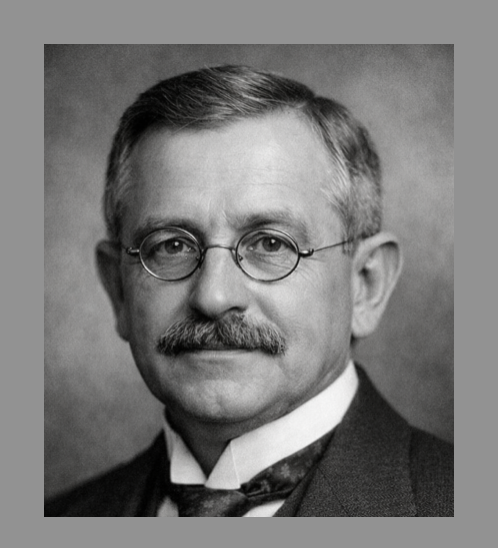
James Fleming
Aberlour
In 1879, James Fleming secured a lease from the Earl of Fife for land on which he would build a new distillery at Aberlour. The distillery was be his own creation rather than a takeover. Production began there in December 1880. That distillery continues to produce one of Speyside’s best-known single malts.
7

Robert Fleming
Tomintoul
Robert Fleming was the custodian of Tomintoul for more than thirty years. In Scotch whisky culture, “custodian” implies stewardship rather than simple management. It suggests responsibility for maintaining consistency across decades of production while guiding the maturation of the spirit.
8
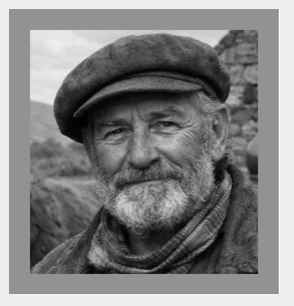
John Grant
Glenfarclas
John Grant slowly came aroundto the idea of distilling whisky on-site, the decision helped along because in 1870, John Smith left Ballindalloch to establish what would become Cragganmore distillery. At that point, John went into full partnership with his now adult son George in running Glenfarclas.
9
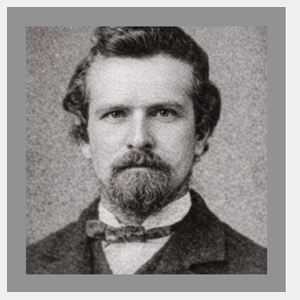
William Grant
Glenfiddich
William Grant took the name of his new distillery from his familiar place: Glenfiddich, Gaelic for “Valley of the Deer.”After about a year of hard work, the project reached the moment that matters most in any distiller’s life—the first run. On Christmas Day, 1887, the first spirit flowed from Glenfiddich’s stills.
10
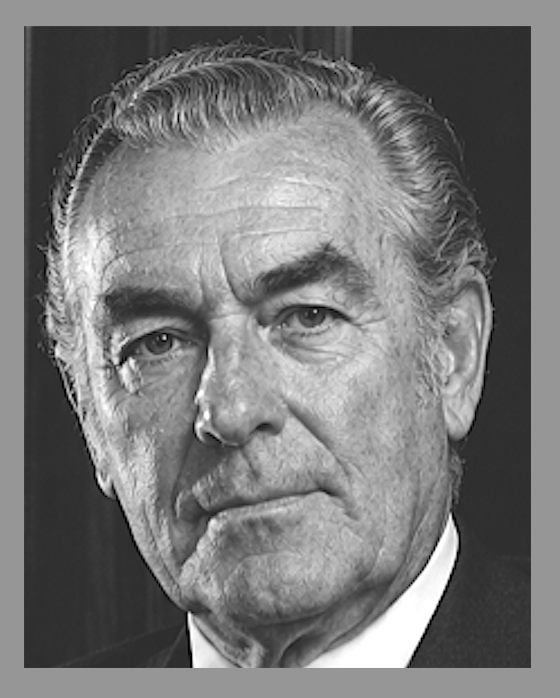
Sir Phillip Henman
Pittyvaich
Philip Henman rose steadily through the Distiller’s Company Limited organization during an era when Scotch whisky exports expanded dramatically, especially in the United States and Europe. To meet anticipated future demand, DCL embarked on one of the largest distillery-building programs in Scottish history.
11
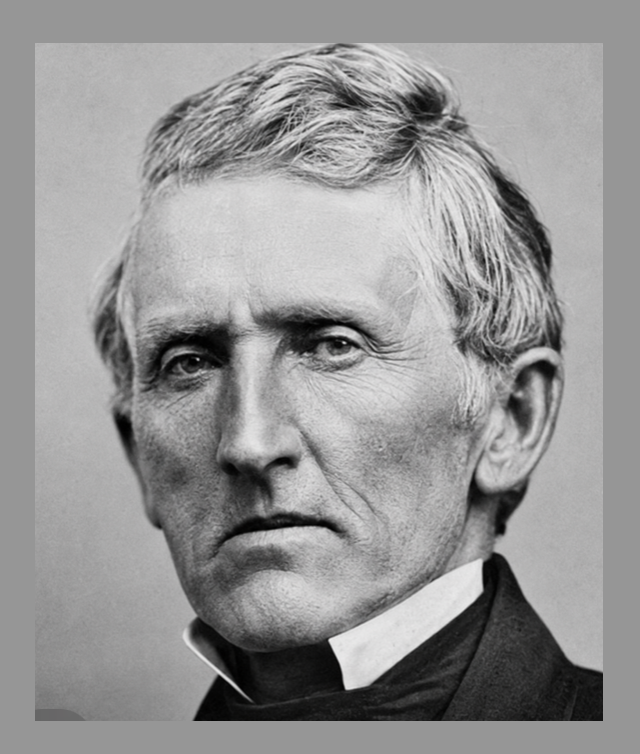
John Innes
Benrinnes
Under John Innes’ ownership, the operation was initially known as Lyne of Ruthrie before eventually taking the name Benrinnes. Innes’ decision demonstrated both ambition and confidence. Building a distillery in rural Scotland during the 1830s required faith in the future of legal whisky-making.
12
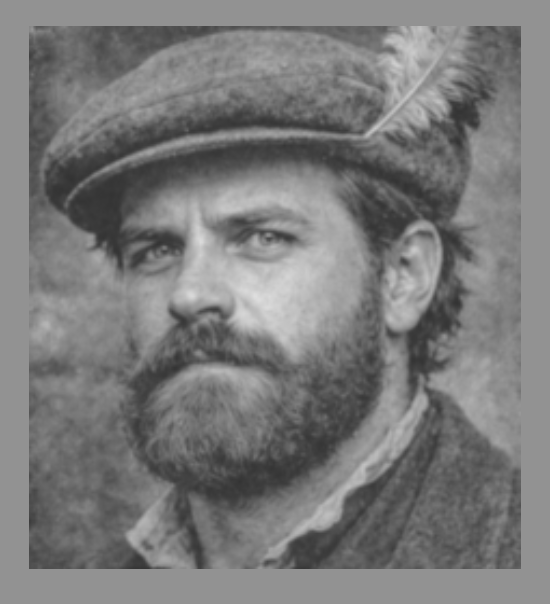
W.P. Lowrie
Glentauchers
In 1869, WP Lowrie struck out on his own, establishing himself as a broker and commission agent for Scotch whiskies. Glasgow in the late 19th century was a nerve center of blending, warehousing, bottling, and export. Lowrie positioned his firm right where the business was becoming modern.
13
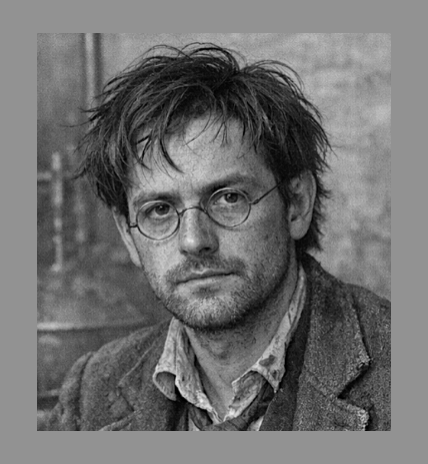
Peter MacKenzie
Dufftown
MacKenzie and his partners converted existing mill buildings, repurposing industrial infrastructure for whisky production. His partners included Richard Stackpole and Charles MacPherson. Nearby stood John Symon’s sawmill and meal mill, which were likewise incorporated into the scheme, bringing Symon in as an additional partner.
14
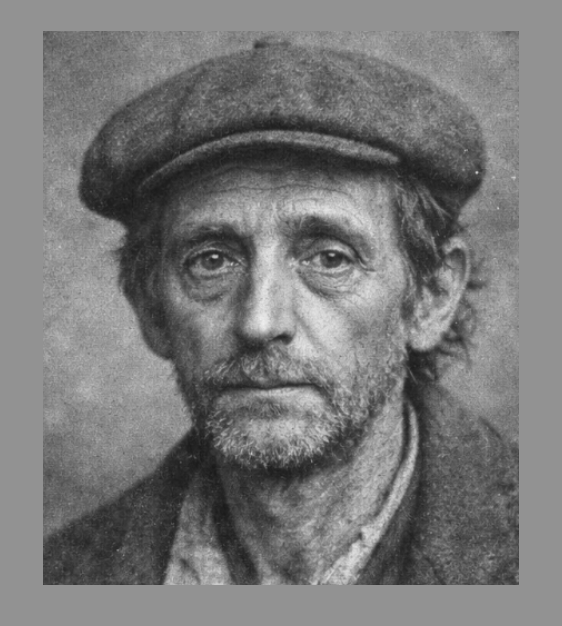
William Mackenzie
Dailuaine
For William Mackenzie, the years of building and operating Dailuaine distillery coincided with the busiest years of his family life: children arriving, responsibilities multiplying, and the demands of keeping a new industrial plant functioning in a rural setting. Yet his story, as preserved, is brief.
15
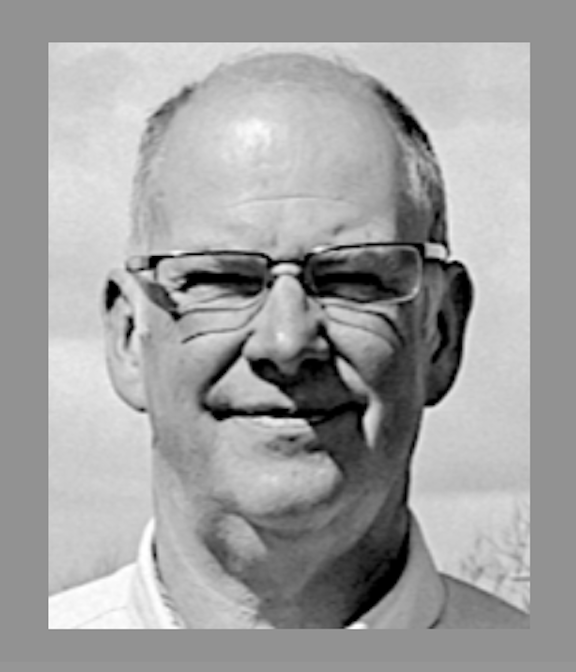
Kevin MacPherson
Balmenach
Kevin MacPherson moved to Glenfiddich after Benriach, where he worked in the bottling hall. Glenfiddich was one of the world’s most recognizable brands, and the experience exposed him to the opposite end of the production chain. Instead of raw barley and fermentation, bottling work required precision and discipline.
16

Eilidh Muir
William Grant & Sons
Eilidh Muir worked at Girvan as a Spirits Supply Planner after completing her graduate rotations. Girvan, William Grant & Sons’ major grain distillery in Ayrshire, is one of the most important industrial sites in Scotch whisky production, and supplies spirit for many of the company’s blends.
17
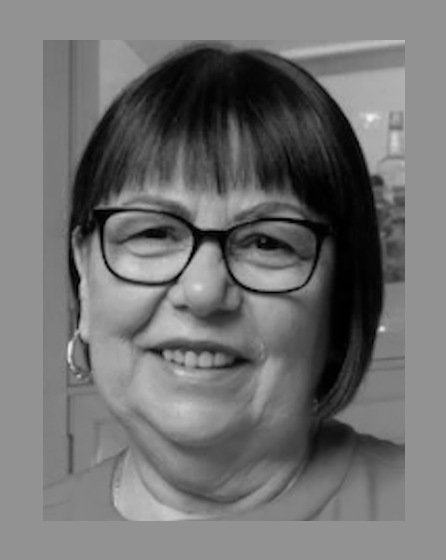
Maureen Robinson
Auchriosk
Maureen Robinson’s tenure coincided with a transformation inside the Scotch whisky industry when many distilleries faced periods of overproduction and consolidation. Some facilities closed permanently, while others were mothballed for years; nevertheless, Auchroisk survived, thanks to Robinson’s leadership.
18
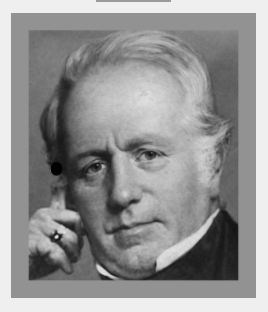
George Smith
Glenlivet
George Smith’s distillery succeeded quickly enough that it did not remain small for any time at all, and quickly had to be extended four times. The Glenlivet’s official narrative adds a glimpse of output: by the late 1830s, the distillery was producing more than 200 gallons a week, and Smith was forced to bring in outside help.
19
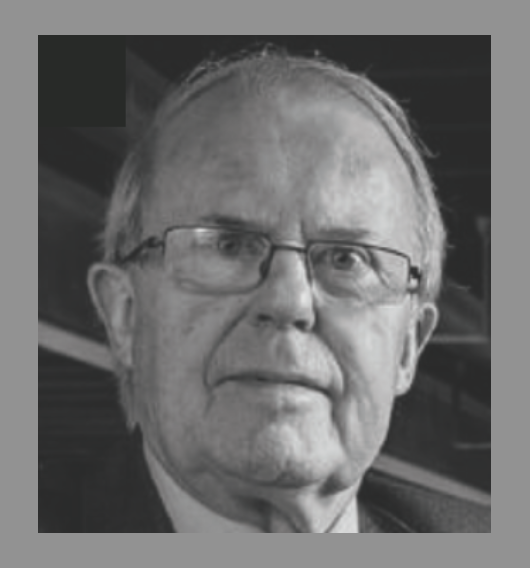
David Stewart
William Grant & Sons
David Stewart joined William Grant & Sons as an apprentice in 1962. That decision placed him within one of Scotland’s most important family-owned distilling firms. Founded in 1887 by William Grant, the company has built its reputation on craftsmanship, a value that would define Stewart’s epic career.
20
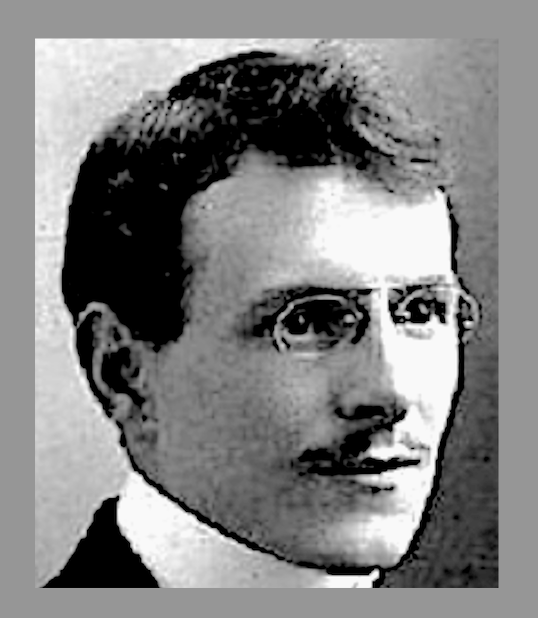
George Taylor
Strathisla
George Taylor’s distillery quickly established itself as a serious operation because Taylor and his partner had created a solid, legal business with staying power. The distillery benefited greatly from its location near Keith, which would later become one of Speyside’s most important whisky centers.
21
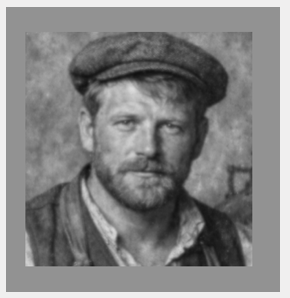
Adam Teacher
Ardmore
Adam Teacher purchased land near Kennethmont in Aberdeenshire at what it called the highest point of the Northern railway line, roughly 600 feet above sea level. In those days, rail access brought most building materials into that rural corner of Scotland without delays and costs that could cripple a large build.
22
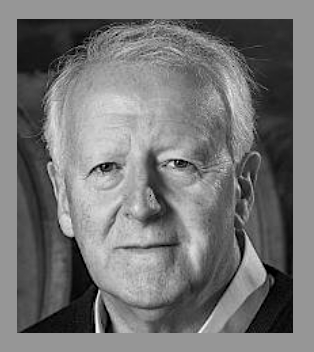
Billy Walker
Glenallachie
Although Billy Walker had already built a respected career, the defining transformation of his public reputation began in 2004. That year, Walker and his business partners acquired the BenRiach Distillery after it had experienced many years of uncertainty and limited visibility under previous ownership.
23
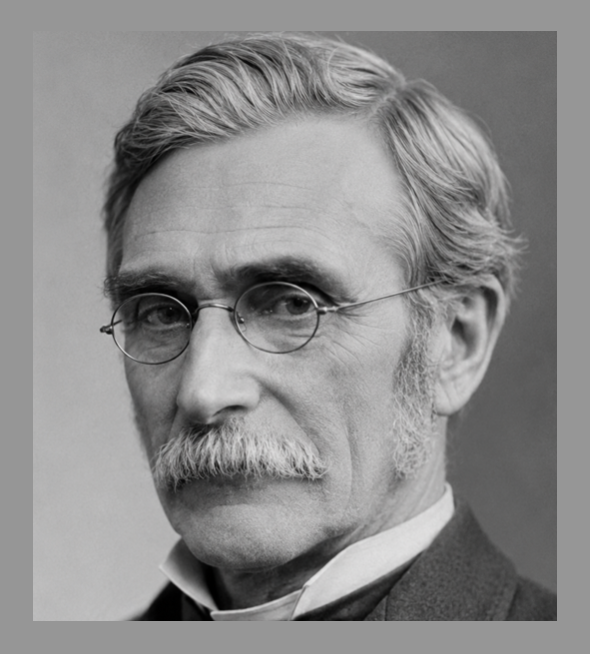
James Williams
Glendullan
James Williams decided to secure his own production source in Speyside. The result was the construction of Glendullan Distillery in Dufftown in 1897. Though it would be the last of the distilleries built there, Dufftown in that day had become one of the great whisky capitals of Scotland.