
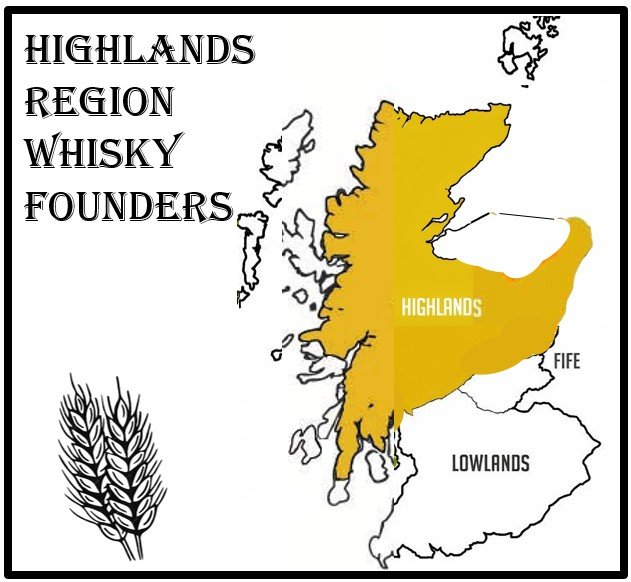
(NOTE: FOUNDERS ARE LISTED IN ALPHABETICAL ORDER)
Scotch Whisky Founders
Highlands Region
The Northern Areas within Scotland.includes the Highlands Region
Below are links to Whisky Founders that have made huge contributions to the growth of the Highlands Region as well as the Scotch Whisky Industry as a whole. These may have been historical figures that lived long ago before prohibition or may be living leaders that have advanced the cause of the industry as a whole.
1
James Allardice
GlenDronach
When James Allardice arrived at GlenDronach, the place was pre-anchored in a working estate setting: a house, a burn, farmland, and the kind of steady resources a licensed distillery needed: water, grain, and access to people who could supply and finance a stillhouse. On those foundations, Allardice established his distillery.
2
Rachel Barrie
Glenglassaugh
In 2011, Rachel Barrie moved to Morrison Bowmore Distillers. There, she led whisky creation for Bowmore, Auchentoshan, Glen Garioch, Laphroaig and Ardmore. Her career by then was already unusual: a chemist by training who had become one of the most prominent creative and technical authorities in Scotch.
3
Stewart Bowman
Brora
Stewart Bowman began at Brora and stepped into a project that demanded equal parts historian and engineer tasked with rebuilding a distillery. It needed to be modern and operationally efficient, while preserving the texture of an older spirit style which collectors already treated as legendary.
4
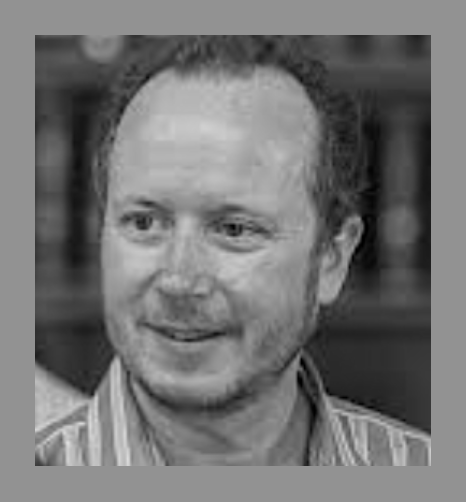
Alex Bruce
Adelphi
Alexander Bruce was born in 1971 into the Bruce family of Kinnaird, an ancestry with longstanding ties to Scotch whisky through the Glasgow whisky trade, and later connections to Duncan Taylor and other independent bottling interests. He was also a direct descendant, on his mother’s side, to Andrew Usher.
5
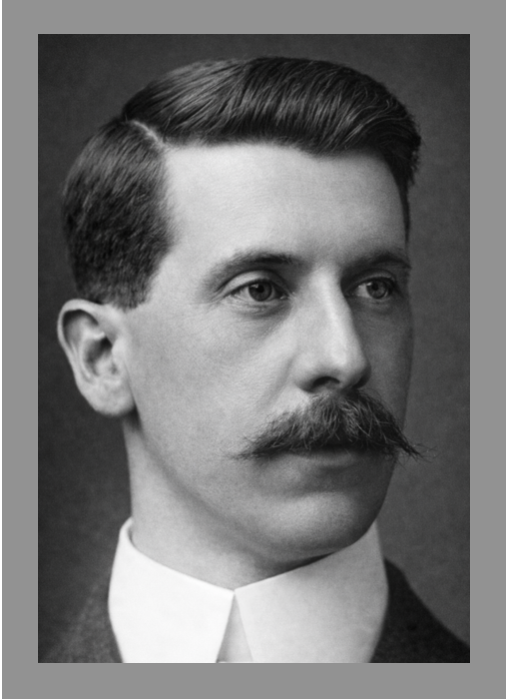
A.J. Cameron
Dewar’s
Just 24 months after AJ Cameron was appointed Master Blender came the work for which he is most widely credited. In 1899, he created Dewar’s White Label, the blend that became the defining expression of the Dewar’s house style and, over time, one of the world’s best-known blended Scottish whiskies.
6
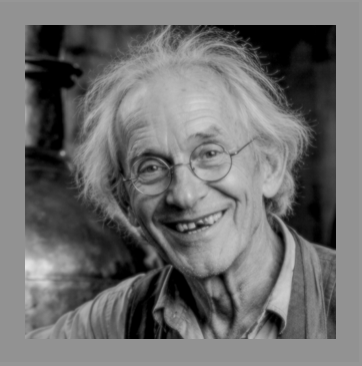
George Connell
Glengoyne
George Connell was at Burnfoot Farm in 1820, distilling in secret. George had been born in 1795, the son of John and Elisabeth McDougal Connell, and from an early age, he learned the business of hidden distilling the way many did: not through a deed and an established apprenticeship, but through his grandfather.
7
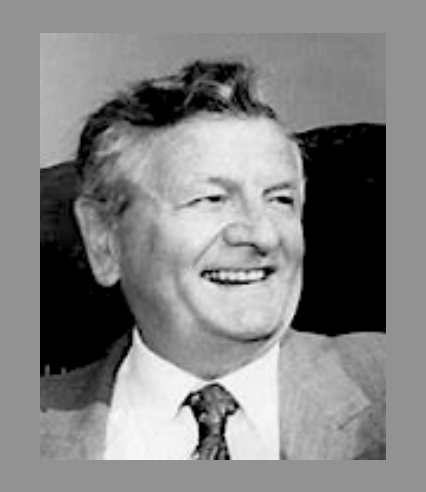
Harold Currie
Arran
Hal Currie’s whisky career continued to shift with the industry. In 1974, Pernod purchased the House of Campbell Scotch whisky brand and asked Currie to become managing director. After Pernod and Ricard merged in 1975, he was promoted to head UK operations, until retiring in 1982.
8
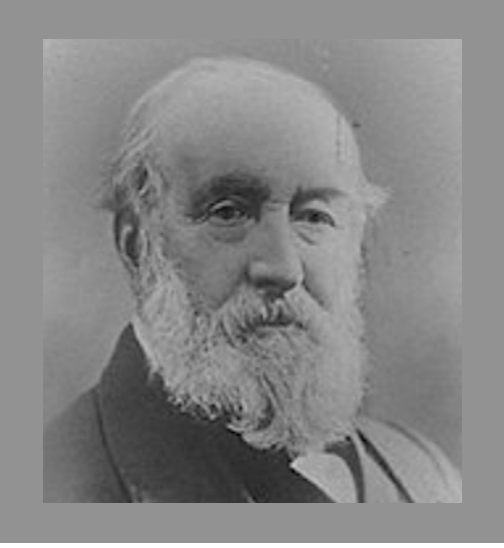
John Dewar
Dewar’s
John Dewar also leaned into something that seems obvious now—branding and packaging. He sold whisky in glass bottles bearing his name. A bottle with a name on it does more than hold liquid, it fixes accountability: If the whisky disappoints, the blame has an address. If it delights, the customer knows what to ask for next time.
9
John Drummond
Glenturret
John Drummond operated under enormous social pressure at Glenturret. Distillery owners and managers in Perthshire occupied important positions in local society, since they employed substantial numbers of workers, purchased grain from surrounding farms, and contributed to regional commerce.
10
William Fraser
Royal Brackla
William Fraser was planning a new future, and concerned that local farmers were selling grain into illicit distilling networks where smugglers could undercut anyone paying duty, he joined four other men in leasing a distillery site and adjacent farmland from the Earl of Cawdor. The result was Brackla.
11
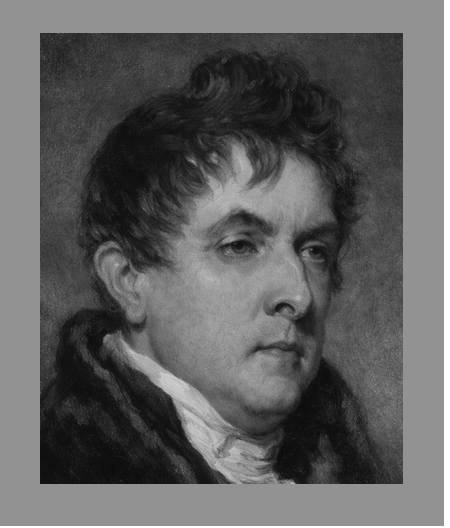
George Leveson Gower
Clinelish
In 1819, G.L. Gower built the original Clynelish distillery. The distillery was meant to provide a market for barley grown by his tenants. Clynelish was a legal, organized outlet for agricultural production in a region where land, tenancy, and local livelihoods were under intense pressure and scrutiny.
12
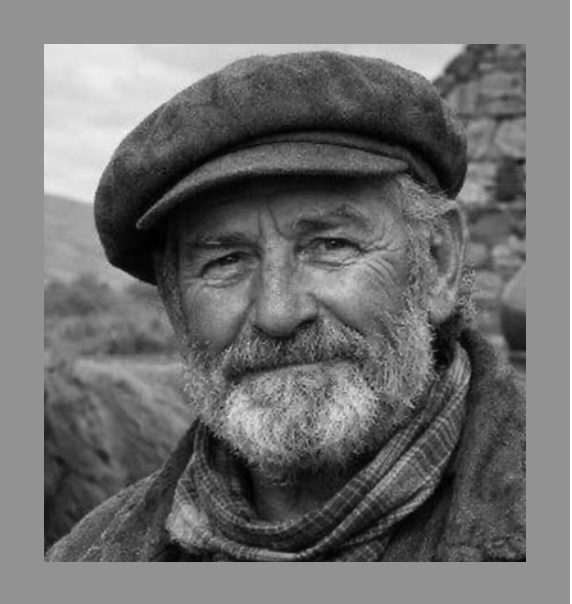
John Grant
Glenfarclas
John Grant slowly came round to the idea of distilling whisky on-site, the decision helped along because in 1870, his sourcing distiller left Ballindalloch. At that point, John then went into full partnership with his now adult son George in running Glenfarclas more directly.
13
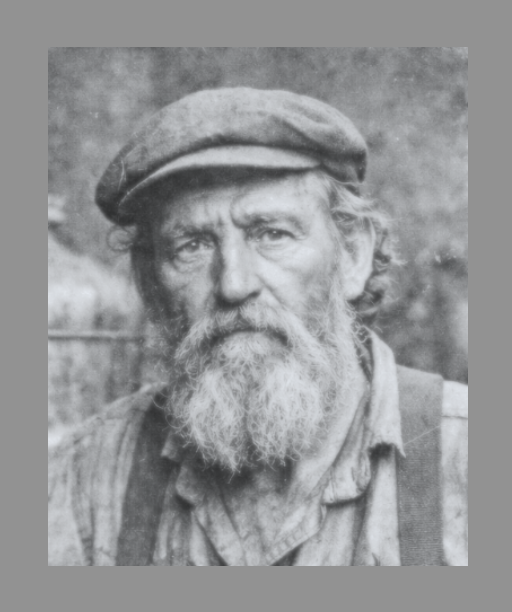
James Henderson
Old Pulteney
James Henderson founded Pulteney Distillery in Pulteneytown. At the beginning, conventional roads were lacking, so barley came by sea and whisky went out by sea, often handled by offseason workers who also fished for herring when they could. The port could support distribution when roads could not.
14
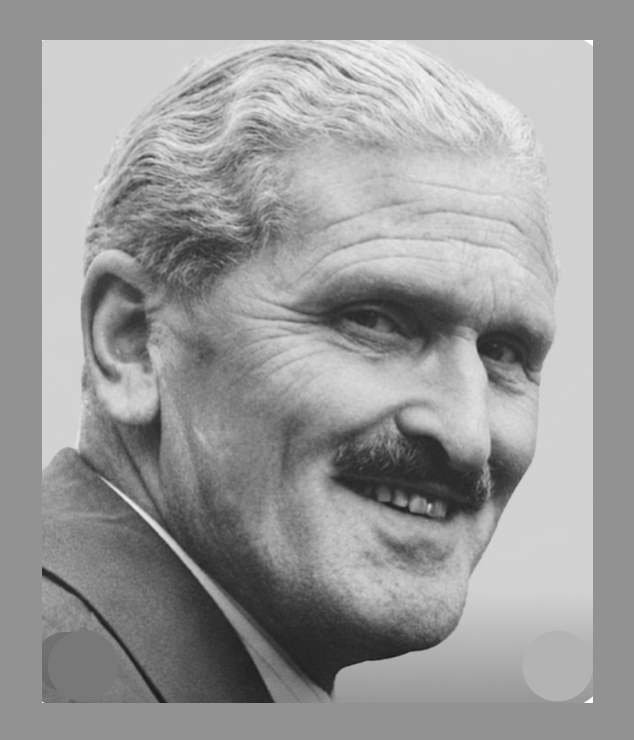
Brodie Hepburn
Deanston
Brodie Hepburn saw potential in Deanston. Perhaps more importantly, he saw an honest work ethic and a passionate community whose citizens were eager to become true whisky makers. By then, Hepburn had spent decades in the spirits trade and understood the growing demand for Highland whisky.
15
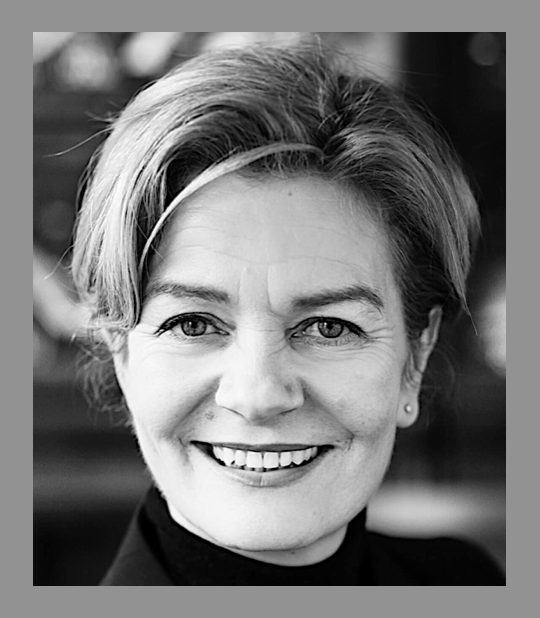
Stephanie MacLeod
Dewar’s
For Stephanie MacLeod’s efforts with Dewar’s, recognition has justly followed, and in 2019, MacLeod became the first woman to win the International Whisky Competition’s “Master Blender of the Year” award. She has since won the title “Master Blender of the Year” five further consecutive years, six in all.
16
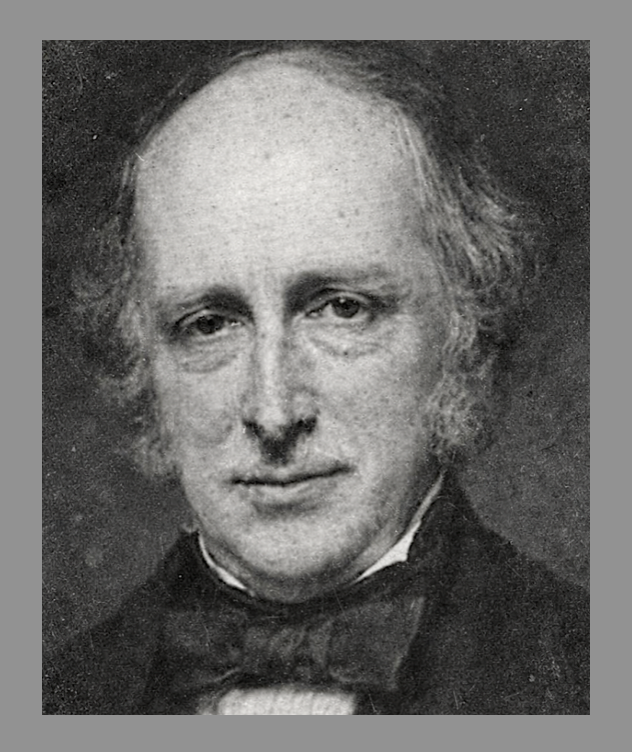
Alexander Matheson
The Dalmore
In 1839, Alexander Matheson returned from Asia and, in that same year, created a whisky-making footprint that still defines a corner of the Highlands. The site at Dalmore, on the banks of the Cromarty Firth near Alness, had previously been a mill and farmyard, and Matheson converted it into a distillery.
17
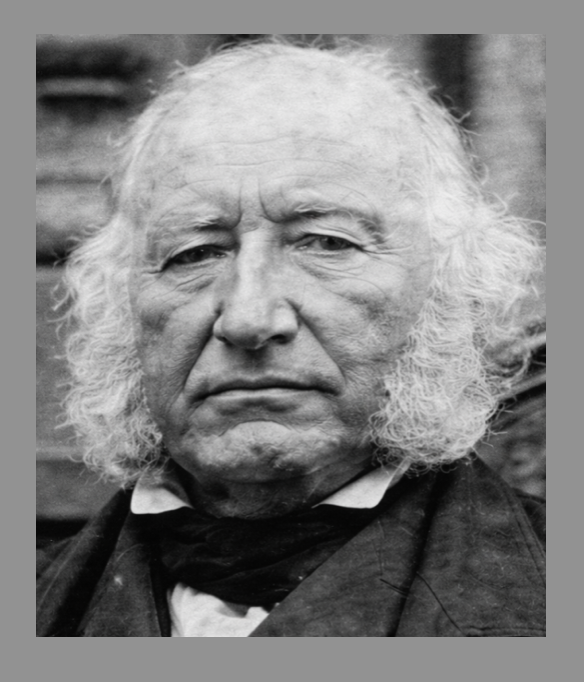
Hugh MacAskill
Talisker
Hugh MacAskill’s name is inseparable from Talisker because he arrived on Skye at a moment when land, money, and whisky were being reorganized all at once, and he helped turn a remote shore of Loch Harport into the site of what became the island’s oldest and most enduring distillery.
18
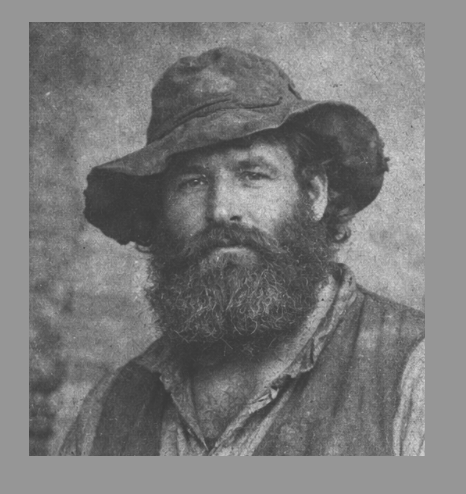
Long John MacDonald
Ben Nevis
John MacDonald led a mountain rescue for the Duchess of Buccleuch. In 1838, the Duchess and her retinue got lost in the mist during an ascent on Ben Nevis. An outdoorsy man from the beginning, Long John was the first rescuer to find the party, and rang a very large bell to attract the others’ attention.
19
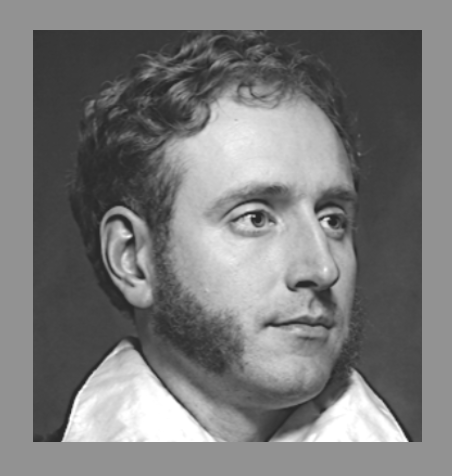
Thomas Mackenzie
Glen Ord Distillery
Thomas Mackenzie envisaged an industry where local men could have all-year round employment. It also gave him a ready market for his barley. So in 1838, Mckenzie established what became Glen Ord Distillery near Muir of Ord. The distillery initially operated under the name Ord Distillery Company.
20
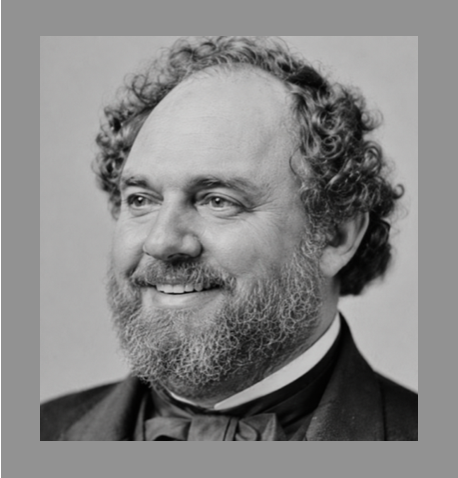
James Moir
Glenglassaugh
James Moir commenced with construction of Glenglassaugh around 1873, and the distillery officially opened in 1875. The location was carefully chosen. The site possessed access to the pure waters of the Glassaugh Springs, nearby barley-growing districts, and convenient coastal transport routes.
21
Hugh Munro
Teaninich Distillery
Hugh Munro He worked to improve the conditions of his tenants. One persistent problem in the Highlands at the time was illicit distilling, which undercut legal agriculture and left barley growers without reliable markets. Munro’s response was decisive. In 1817, he founded the Teaninich Distillery on his estate.
22
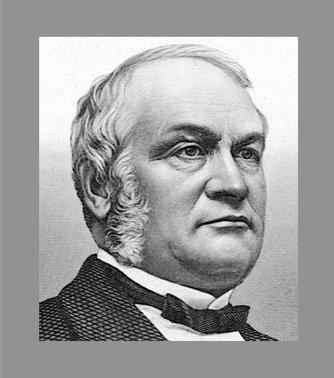
Sir Alexander Ramsay
Fettercairn
Alexander Ramsay secured a license and established Fettercairn Distillery on his land. The decision aligned closely with broader Highland patterns: landowners founding small, licensed distilleries intended to operate alongside farming rather than replace it. Fettercairn, then, was created as a method of estate management.
23
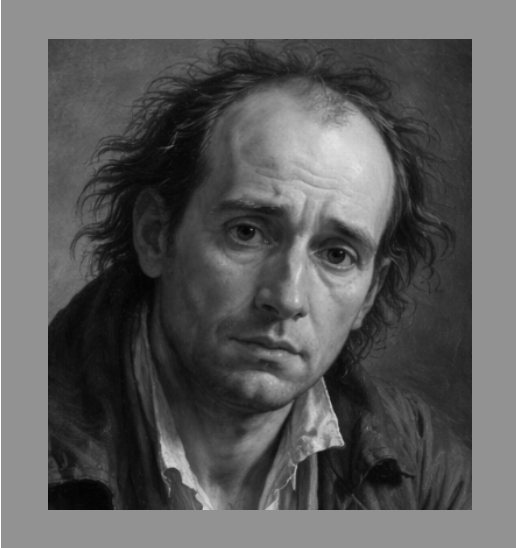
John Stevenson
Oban
John Stevenson and his brother established a brewery in Oban; in 1794, that brewery became the Oban distillery. Oban’s modern reputation is as an “urban” distillery, that is, still sitting within the town rather than out in the countryside, which shows that it was there early, before the town fully encased it.
24
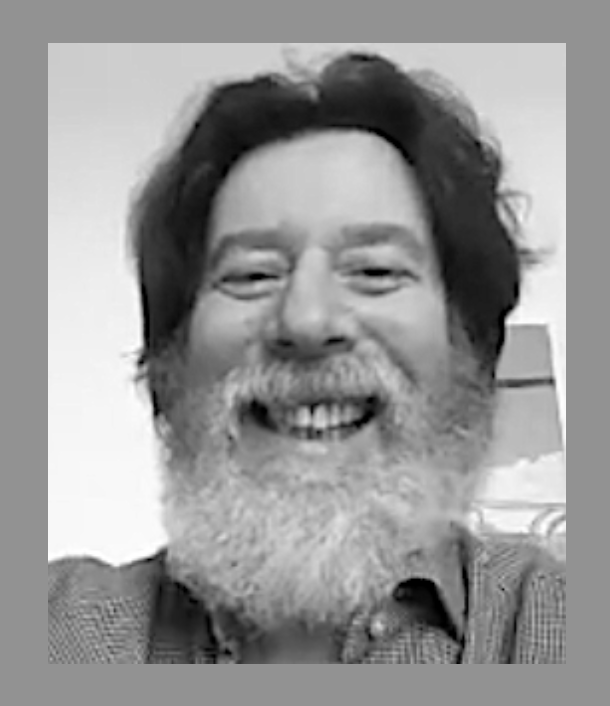
Jamie Walker
Ardnamurchan Distillery
Jamie Walker belongs to the family associated with Glasgow’s Adelphi Distillery, one of the great industrial whisky operations of nineteenth-century Scotland. The original Adelphi Distillery, founded in 1826, eventually expanded into one of the largest distilleries of the late Victorian era.